
Kangaroo Leather Motorcycle Suit Pros and Cons
This post contains affiliate links. As an Amazon Associate, we earn from qualifying purchases.
A kangaroo leather motorcycle suit offers a significant weight reduction, up to 20-30% lighter than cowhide, and high tensile strength, allowing it to be thinner (0.9-1.1mm) while meeting safety standards. The primary trade-offs are a higher cost (often double a comparable cowhide suit), more demanding maintenance, and regional sale restrictions in some areas like parts of the US.
The weight savings is the real draw, not some mythical invincibility. A lighter suit fights fatigue on long track days, and the thinner, supple leather molds to your body faster. But that thinness is also the source of the biggest debate you’ll find in garage talk: does it actually hold up as well in a slide? A discussion of kangaroo leather motorcycle suit pros and cons often centers on this trade-off.
What follows breaks down the numbers from the manufacturers, sorts the conflicting claims on abrasion, and lays out who this premium material is actually for by examining the kangaroo leather motorcycle suit pros and cons. We’ll cover the weight math, the maintenance reality, the price tags, and the one decision that matters more than the leather type.
Key Takeaways
- Kangaroo leather is 0.9-1.1mm thick, while cowhide is 1.1-1.4mm, the thinner hide creates the weight savings, not a magic strength formula.
- The abrasion resistance debate is unresolved: Matt Racing states kangaroo leather’s abrasion resistance is slightly lower than cowhide, while Moto Central claims it can be up to 10 times stronger.
- Expect to pay roughly double for a kangaroo suit versus a cowhide model from the same brand, as seen with Alpinestars.
- This leather requires consistent conditioning; if you’re the type to toss gear in a corner after a ride, stick with cowhide.
- For most track day riders, a well-fitted cowhide suit is the smarter buy; save kangaroo for racers where every pound counts.
The Weight vs. Strength Trade-Off
You don’t buy kangaroo for brute thickness. You buy it because a Bison Track kangaroo suit uses 0.9-1.1mm leather, while their cowhide uses 1.1-1.4mm. That difference contributes to weight savings, as Bison Track states a cowhide suit weighs 20-30% more than a kangaroo suit. On a long weekend, that’s less arm pump and less fatigue in your core holding a tuck.
Technical Snapshot: Kangaroo leather’s densely packed collagen fibers give it high tensile strength, allowing manufacturers to use thinner panels (0.9-1.1mm) that meet the same EN 17092 safety standards as thicker cowhide (1.1-1.4mm). This creates the weight advantage, not an inherent “toughness” that surpasses all other materials.
But here’s where the garage arguments start. If thinner leather is just as strong, why would anyone use thick cowhide? The answer isn’t simple, because the sources disagree on the core claim.
| Claim Source | Position on Abrasion Resistance | Key Context |
|---|---|---|
| Matt Racing | “Slightly lower than that of cowhide.” | Manufacturer spec sheet for a custom race suit. |
| Moto Central | “Can be up to 10 times stronger than cowhide.” | Retailer’s marketing and explanatory blog. |
| Bison Track | Primary benefit is weight, not necessarily superior durability in all crashes. | Manufacturer blog emphasizing trade-offs. |
The Matt Racing statement is the outlier, but it’s from a manufacturer’s product page, not a marketing blog. It states kangaroo leather’s abrasion resistance is slightly lower than cowhide. Bison Track adds nuance, stating the primary benefit of kangaroo over cowhide is reduced weight, not necessarily superior durability in all crash scenarios. This isn’t about one being “safe” and the other “unsafe.” Both are certified. It’s about the type of risk and the weight-for-strength calculation that works for your riding, which is the heart of the kangaroo leather motorcycle suit pros and cons.
Cost and Value: Is the Premium Worth It?
The price jump is not subtle. RevZilla notes the Alpinestars GP Pro v2 (cowhide) retails around $1,300, while the Racing Absolute (kangaroo) is about $2,600. Athena Gear states kangaroo suits can cost twice the equivalent cow suit.
You are paying for:
- Material scarcity and processing: Ethically sourced Australian kangaroo hide is more regulated.
- Weight-saving engineering: The suit’s pattern and construction are often more complex to maximize the thin leather’s potential.
- Brand positioning: It’s the premium option, frequently paired with higher-tier features like better armor or airbag integration.
For a club racer where weight savings is a priority, that investment might make sense. For a track day enthusiast doing six weekends a year, the money is often better spent on more seat time, better tires, or professional coaching than on a few pounds of suit weight. A well-fitted cowhide suit with appropriate armor provides certified protection.
Where this goes sideways: Buying kangaroo because it’s “the best,” without the budget for proper maintenance. Neglected kangaroo leather dries out and cracks, as it requires consistent maintenance.
Fit, Feel, and Break-In: The “Second Skin” Claim
The feel is real. Kangaroo is more supple from the start. Owners report it conforms to their body shape within a ride or two, where a cowhide suit might need a solid weekend to start softening in the right places. That “wearing pajamas” feeling Matt Racing mentions is a common description.
This matters for fit. The initial fit is critical for kangaroo leather suits. You can’t buy a kangaroo suit slightly tight expecting it to give an inch everywhere. The break-in is more about the leather molding to your exact contours than stretching out.
Common mistake: Ordering a custom kangaroo suit without a fitting suit first. For custom suits, following the manufacturer’s fitting process is critical.
If you’re buying off-the-rack, get in a riding crouch in the store. Check for tightness across the shoulders and behind the knees. A suit that’s comfortable standing but binds in a tuck is a suit that will distract you on track. Getting the right fit for a leather suit matters more than the material it’s made from.
Maintenance and Longevity Demands
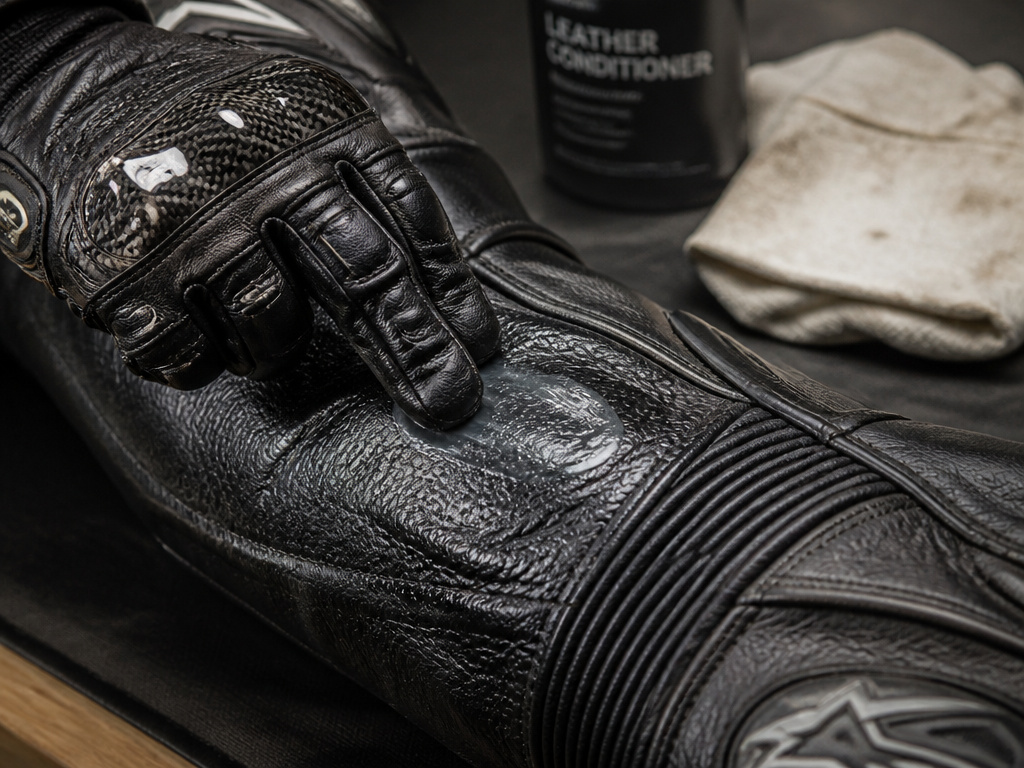
This is the deal-breaker for many. Bison Track states kangaroo “typically requires more maintenance including cleaning and conditioning.” It’s less forgiving of sweat, road salt, and storage neglect.
The regimen isn’t hard, but it’s non-negotiable:
- Wipe down after every ride with a damp cloth to remove sweat and grime.
- Condition every 2-3 months with a high-quality leather conditioner to keep the fibers supple.
- Store on a broad-shouldered hanger in a cool, dry place away from sun.
Fail on these, and the leather loses its oils, becomes brittle, and is more prone to cracking in a crash. Compare that to a modern textile suit or even a cowhide suit, which can tolerate a bit more abuse. If your gear care routine is “toss it in the trailer until next time,” save your money and stick with cowhide or a suit made from premium abrasion-resistant fabric.
Real-World Crash Performance and Repair
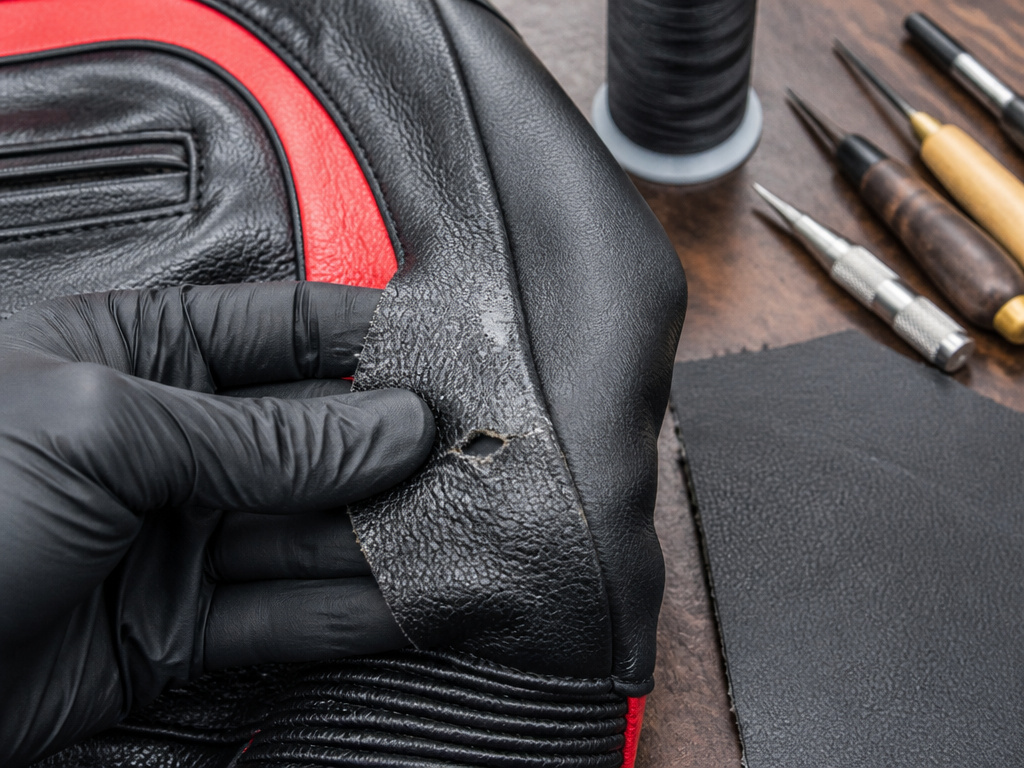
Anecdotes about crash performance vary. One user reported a friend’s kangaroo suit showing barely any damage after a high-side. Another thread detailed two riders getting holes in their kangaroo suits during WERA crashes, leading one to swear off the material.
Any suit can fail. The variables are immense: slide speed, pavement texture, impact angle, suit construction, and armor placement. A well-made kangaroo suit from a brand like RST or Alpinestars is designed to slide. The RST conformity document lists specific kangaroo models like the 903213 V4.2 Race Dept Kangaroo Suit, all certified to the same standard as their cowhide counterparts.
Repair is a factor. Thinner leather can be harder to patch effectively after a significant slide. Many manufacturers recommend professional repair, and some damage may be beyond economic fixing. A thicker cowhide panel might survive the same slide with a scuff that’s easier to repair. Consider your choice between a one-piece and two-piece suit here too, as a one-piece’s structure can influence how the leather abrades.
Ethical Sourcing and Regional Restrictions
This is the non-performance factor that stops some buyers. Kangaroo leather is a by-product of Australia’s regulated meat industry. The sourcing is ethical and controlled to prevent overpopulation, but it leads to complex export laws.
Moto Central notes there are sale restrictions in some regions, like parts of the United States. This isn’t a blanket ban, but it can mean certain retailers won’t ship kangaroo products to specific states, or that you’ll have fewer options. Always check availability before falling in love with a specific suit model.
For riders opposed to animal products, vegan options exist. Athena Gear lists the Bison Track Vegan Motorcycle Racing Suit and the Andromeda Moto NearX Suit (CE 3A) as vegan options.
Who Should (and Shouldn’t) Buy a Kangaroo Suit
This isn’t a universal upgrade. It’s a tool for a specific job.
Buy a kangaroo leather suit if:
- You’re a competitive racer where weight savings translates directly to lap times or reduced fatigue.
- You value the premium, supple feel and are willing to pay for it.
- You are disciplined about gear maintenance and storage.
- You live in a region where it’s readily available for purchase.
Stick with cowhide or textile if:
- You’re a track day rider or advanced street rider. The performance gain is minimal for the cost.
- Your gear maintenance is inconsistent.
- Your budget is better spent on other performance upgrades or more track time.
- You want the proven, century-long track record of thick cowhide.
For most, the smarter path is investing in a top-tier cowhide suit from a brand like Alpinestars or Dainese, ensuring it has CE-AAA armor, and spending the extra money on a professional tailoring session. A perfect-fitting mid-level suit beats a loose premium suit every time. That principle applies to your leather jackets and leather pants too.
Kangaroo Leather Suit for Track or Street
Kangaroo leather’s primary benefit is reduced weight, which is a critical advantage for track riding where fatigue can affect performance. The material is thinner than cowhide, allowing for superior mobility in a racing tuck. However, this premium material comes at a significant cost, often double that of a comparable cowhide suit. For street riding, the high price and increased maintenance requirements may be harder to justify, especially when textile or entry-level cowhide options offer robust protection for general use. The decision often comes down to whether you prioritize maximum performance and are willing to pay for it.
Frequently Asked Questions
Is kangaroo leather worth the money for a track day rider?
For most track day riders, no. The performance benefit from weight reduction may be more significant for competitive racers. The $1,300+ price difference is better spent on coaching, tires, or brake upgrades. A well-fitted, CE-AAA cowhide suit provides excellent protection.
Which is safer: kangaroo or cowhide leather?
Both are safe when they come from reputable manufacturers and carry proper certifications (EN 17092). The safety difference in a crash has more to do with the suit’s construction, armor placement, and fit than the leather type. A poorly fitted kangaroo suit is less safe than a perfectly fitted cowhide suit.
How do I clean and condition a kangaroo leather suit?
Use a damp microfiber cloth to wipe off surface dirt after each use. For deeper cleaning, use a leather-specific cleaner. Condition with a high-quality leather conditioner every 2-3 months, focusing on areas that flex. Always test products on an inconspicuous area first. For a full guide, see our article on how to clean a leather motorcycle suit.
Can I get a kangaroo leather suit repaired after a crash?
Yes, but it depends on the damage. Smaller scuffs and seams can often be repaired by a specialist. Larger tears in thin panels may be more challenging and costly to fix properly. Always consult the suit manufacturer or a leather repair specialist for an assessment.
Why did Nike stop using kangaroo leather?
Nike’s decision to stop using kangaroo leather highlights the ethical considerations some buyers have. It highlights the ethical considerations some buyers have. In motorcycle gear, kangaroo remains a premium option due to its technical properties, but availability may be affected by similar regional regulations or brand policies.
Before You Go
The kangaroo versus cowhide choice isn’t about finding the “best” leather. It’s about matching a material’s specific strengths to your riding, your budget, and your habits.
If you’re still weighing the broader decision between leather and textile gear for the street, that’s a different calculus. For the track, lean on this rule: fit and certification trump material hype. Get the suit that fits your body perfectly in a riding tuck, with CE-AAA or CE-II armor at the knees, hips, elbows, and shoulders. If that suit happens to be kangaroo and you can maintain it, great. If it’s cowhide, you haven’t settled, you’ve made the rational choice for 95% of riders.
Spend the money you save on getting the fit dialed by a pro. That does more for your safety and comfort than any exotic leather ever will.
