
10 Best Full Face Helmets For Harley Riders in 2026
This post contains affiliate links. As an Amazon Associate, we earn from qualifying purchases.
Our best overall full face helmet for Harley riders is the Arai HELMET 0101-17459 for its premium comfort and easy on-and-off design. For riders focused on a quiet touring experience, the Shoei RF-1400 excels, while the LS2 Stream II offers advanced rotational safety technology. Choosing the right full face helmet is about balancing protection, comfort, and the right look for your ride.
Many cruiser riders assume a full face helmet feels restrictive or lacks style, but modern designs offer wide views, excellent ventilation, and classic aesthetics that complement a Harley. We built this guide by researching manufacturer specifications, expert round-ups, and patterns in owner feedback to identify ten helmets that meet a range of needs and budgets.
Top 10 Full Face Helmets For Harley Riders in the Market
Certain content that appears on this site comes from Amazon. This content is provided "as is" and is subject to change or removal at any time.
The Best Full Face Helmets For Harley Riders, Reviewed
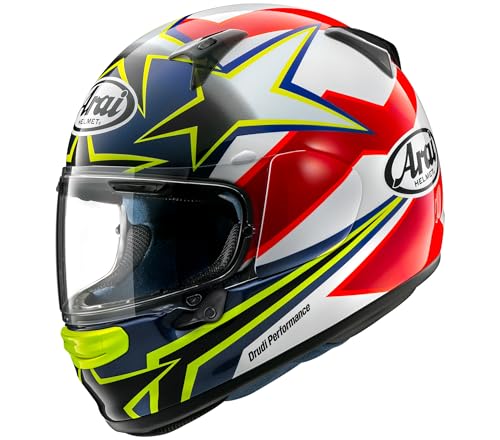
Arai HELMET 0101-17459 Full Face Helmets
What We Like
- Light and strong laminate shell construction
- Larger base opening for easier on-and-off
- FCS provides support without excessive pressure
- Full DOT and FMVSS 218 on-road certification
Trade-offs
- At 4.7 lb, it's heavier than the 3.6 lb Shoei RF-1400
- No integrated sun shield mentioned in provided features
The Arai Regent-X combines a peripherally belted laminate shell for strength with a design that prioritizes rider comfort. Its 5mm shell flare at the base makes slipping the helmet on and off noticeably easier, a thoughtful touch for daily wear. The Facial Contour System works with the cheek pads to cradle your head securely without creating hot spots, which means you can focus on the road instead of adjusting your helmet. This balance of protective engineering and considered comfort, backed by full DOT certification, makes it a reliable choice for riders who value both.
The Arai Regent-X helmet weighs 4.7 pounds, which is more than some competing models like the Shoei RF-1400, so riders may notice the difference during extended tours. This weight comes from its Peripherally Belted Complex Laminate shell, a construction designed to be both light and strong for protection. A larger opening with shell flared 5mm at the base also makes the helmet easier to put on and take off.
Shoei RF-1400 Full Face Helmet

What We Like
- Optimal shell aerodynamics reduce wind noise.
- Removable ear pads help restrain interior wind noise.
- Airtight window beading provides a waterproof seal.
Trade-offs
- Lacks the integrated sun shield featured on models like the LS2 Stream II.
- Weighs 3.6 pounds, more than the 3.3-pound Crown Racing LW600
At 3.6 pounds, the Shoei RF-1400 is built for comfort over long distances, where weight becomes a real factor. Expert round-ups call it the ultimate all-arounder, offering exceptional quietness, comfort, and safety. Its vortex generators and airtight window beading work to reduce wind turbulence and seal out noise.
The trade-off for that premium touring experience is that you don’t get some convenience features found on other helmets, like the drop-down sun visor built into the LS2 Stream II. It’s also not the absolute lightest helmet in the guide. However, for riders seeking the best combination of quietness, comfort, and proven protection for their Harley, the RF-1400’s focused engineering delivers a tangible difference on the open road.
LS2 Stream II Full Face Helmet

What We Like
- AREM rotational energy management for advanced protection
- Meets rigorous ECE 22.06 safety standard
- Dynamic flow-through ventilation system
- Aerodynamic sport-styled shell design
Trade-offs
- At 5.0 pounds, it's heavier than the Shoei RF-1400
- Tinted sun shield is an optional extra purchase
With its AREM rotational energy management system meeting the ECE 22.06 standard, the LS2 Stream II uses current safety technology for managing rotational forces in an impact. This makes it a choice for riders who prioritize modern protective features. The helmet’s high-tech, aerodynamic Kinetic Polymer Alloy shell is designed for this purpose.
That advanced construction results in a weight of five pounds, which is more than some lighter helmets on the market. You get a helmet built around a substantial Kinetic Polymer Alloy shell, so it feels solid and is engineered for energy absorption. For the rider who values that specific shell construction and safety certification, the trade-off in weight is part of the package.
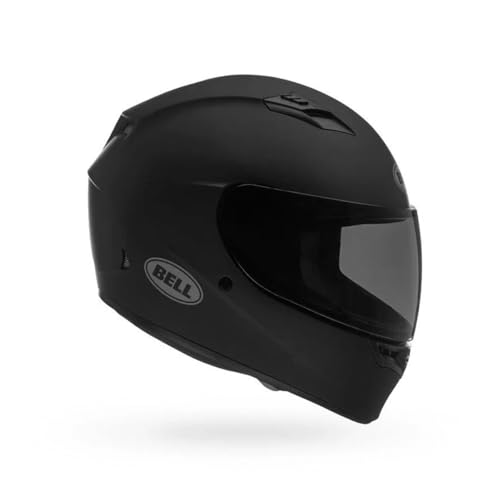
Bell Qualifier Full Face Helmet
What We Like
- Packed with features from Bell's premium Star line
- Anti-fog shield improves visibility in changing conditions
- Washable, quick-dry liner manages sweat and odor
- Padded wind collar and speaker pockets enhance comfort
Trade-offs
- At 4.8 pounds, it's heavier than the 3.5-pound Bell Qualifier DLX MIPS
- Lacks the photochromic shield found on the older Qualifier DLX model
Packed with features from Bell’s flagship Star line, the Qualifier delivers exceptional performance at an incredible value. Its NutraFog II shield resists fogging and scratches, a practical benefit for riding in varied conditions, while the Velocity Flow ventilation and washable liner help manage sweat and odor on long rides. Integrated speaker pockets and a padded wind collar support communication systems and comfort, making it a solid choice for commuters and tourers seeking dependable, everyday use.
You do make some concessions for that value. The helmet carries more weight on your neck compared to lighter options like the Bell Qualifier DLX MIPS, which could become noticeable after several hours in the saddle. Owner feedback also suggests it isn’t the quietest model on the market, so ear protection might be necessary for highway cruising. If your priority is advanced safety tech like MIPS, Bell’s own Lithium MIPS model is the more current budget-friendly choice, but the Qualifier remains a feature-rich workhorse for riders who prioritize practical function.
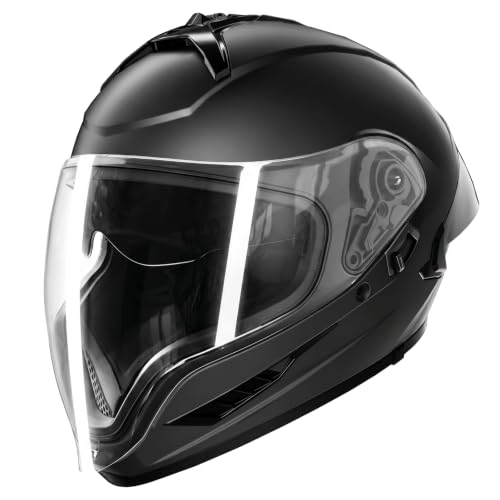
Favoto Full Face Motorcycle Helmet
What We Like
- Dual visor system for quick sun protection
- Multiple intake and exhaust vents for cooling
- Quick-release buckle for easy on and off
- Removable liner simplifies cleaning
Trade-offs
- Only one shell size and fitment (Large) is detailed
The Favoto helmet’s dual-shield visor is a standout feature. You can flip down a tinted lens with a side lever to instantly block glare without stopping, which is a major convenience for riders transitioning between bright highways and shaded backroads. This, combined with its DOT-certified ABS shell and EPS liner, delivers core safety and sun-management in a package tailored for daily commutes and weekend cruisers on a budget. It’s built for the rider who needs dependable, straightforward protection with a useful feature set.
Weighing 1650 grams, the Favoto helmet provides a sturdy feel that balances protection with manageable heft for daily commuting, though some riders may notice the mass during longer journeys. Its construction meets DOT standards with a high-impact ABS shell and multi-density EPS liner, delivering certified safety for street riding. You get essential features like a dual visor and effective ventilation without the premium additions found in higher-priced models.
Product photos
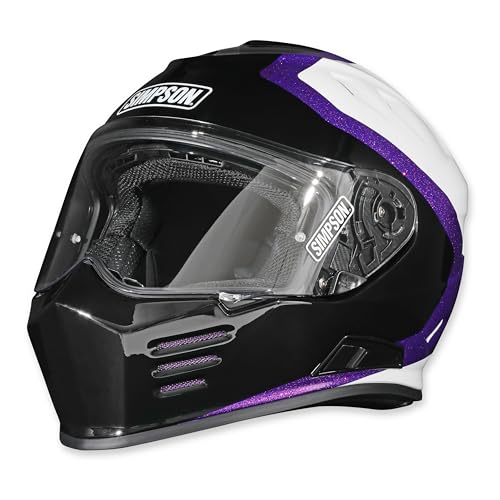
Simpson Motorcycle GBDROYLG Full Face Helmets
What We Like
- Distinctive limited-edition tri-color retro styling
- Lightweight shell construction reduces neck strain
- Internal sun visor for quick glare protection
- Tool-free shield changes simplify maintenance
Trade-offs
- No published weight for comparison
- Shell material is a tri-composite blend
Simpson’s Ghost Bandit helmet carries dual ECE and DOT safety certifications, providing a verified level of protection for street riding. Its limited-edition Purple/Black/White color scheme offers a distinctive visual style. A lightweight tri-composite shell construction aims to reduce neck strain during extended wear, while the tool-free shield system and integrated sun visor simplify adjustments on the go.
The tool-free shield removal is a notable convenience, allowing for quick swaps or cleaning without searching for tools. An internal drop-down sun visor provides adaptable shading in changing light conditions. This full-face helmet is also designed to accept communication systems, enabling riders to integrate audio gear for navigation or calls.
Product photos
Orthrus Full Face Motorcycle Helmet

What We Like
- Quick-release visor requires no tools for changes
- Dual visor setup for day and night riding
- Removable liner simplifies cleaning and maintenance
- Multiple vents promote airflow to reduce heat
Trade-offs
- No weight specification provided for comparison
- Lacks a drop-down internal sun shield option
The tool-free, quick-release visor system is the standout feature, letting you swap between the included tinted and clear shields in moments when light conditions change. This makes the Orthrus a practical choice for riders who frequently transition from bright daylight to dusk or night riding and want the flexibility without fumbling for tools. Its DOT certification, removable liner, and multi-vent airflow design deliver a solid foundation of safety and comfort for daily commuting and street use.
Built with a durable ABS shell and EPS foam liner, the Orthrus helmet meets DOT and FMVSS-218 standards for impact resistance, which delivers a certified level of safety for street riding and commuting. This construction provides a solid protective foundation, while the included tinted and clear visors offer a quick-release, tool-free swap to manage glare from daylight to night.
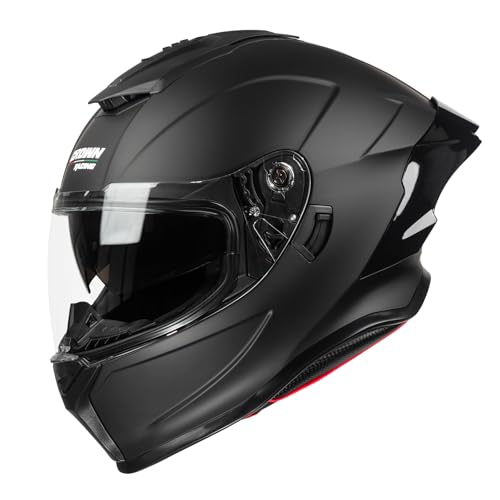
Crown Racing LW600 Full Face Helmet
What We Like
- Convenient dual visor system for changing light
- Removable liner simplifies cleaning and hygiene
- Three-zone ventilation helps manage rider temperature
Trade-offs
- Shell is ABS, not a composite like some premium helmets
- Fit may vary as head shape can affect sizing
Its dual visor system tackles glare with a quick drop of the internal sun shield, while three ventilation zones help pull heat out on warm days. This combination of low weight and practical features makes it a strong choice for the commuter or tourer who prioritizes comfort and simplicity.
Its low weight is partly due to the shell construction, which uses durable ABS plastic rather than the advanced composites found in higher-priced helmets. You also won’t find the latest rotational impact protection systems here. For the rider seeking a straightforward, comfortable, and notably lightweight full-face helmet that meets core safety standards, the LW600 delivers clear value. It’s a sensible pick when minimizing weight is the primary goal.
Product photos
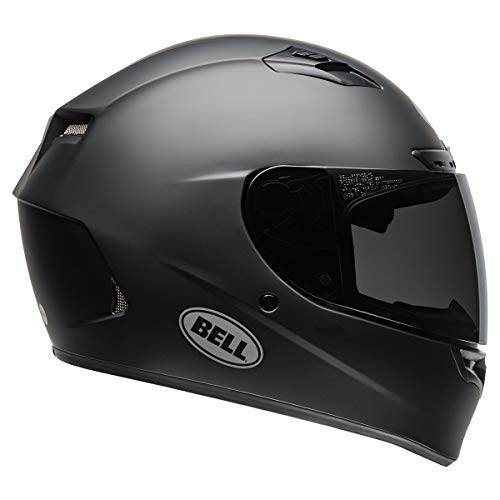
Bell Qualifier DLX MIPS Helmet
What We Like
- Includes MIPS for enhanced rotational impact protection.
- Lightweight 3.5-pound design reduces neck strain.
- Removable, antimicrobial liner manages moisture and odor.
- Budget-friendly price point for a full-face MIPS helmet.
Trade-offs
- Lacks the photochromic Transitions shield of the older Qualifier DLX.
- Not the quietest full-face helmet option available.
Weighing 3.5 pounds, this helmet’s lighter build helps prevent neck fatigue during long rides. Its MIPS safety layer provides modern rotational impact protection at a budget-friendly price point. The removable interior padding manages sweat and fights odor-causing bacteria, and research describes it as a full-face helmet with everyday street comfort for commuting, touring, and sport riding.
This value-focused approach means some premium details are absent. You won’t find the optical-grade quietness of a high-end touring helmet here, and Bell has moved on from the clever auto-tinting shield that once defined the DLX model. For riders who prioritize cutting-edge features or ultimate isolation from wind noise, there are better, but more expensive, choices. However, if your goal is a trustworthy, comfortable, and safety-focused helmet that gets the fundamentals right, this Bell delivers.
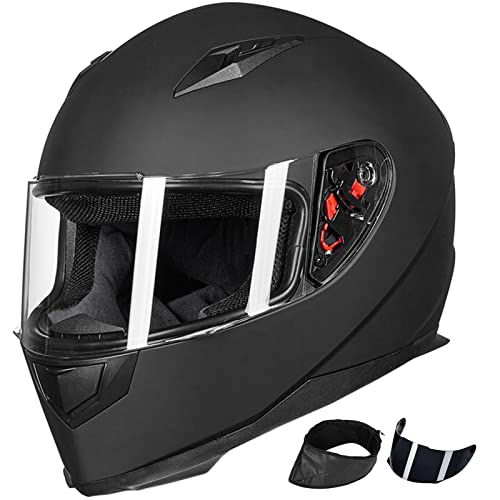
ILM Full Face Motorcycle Helmet
What We Like
- Includes two visors and a winter neck scarf
- Lightweight 3.0-pound construction reduces neck strain
- Streamlined aerodynamic design reduces wind noise
- Removable inner lining pads for easier cleaning
Trade-offs
- Smaller 13.8-inch length may not fit all head shapes comfortably
- External shell length is 13.8 inches
At 3.0 pounds, the ILM-313 is lighter than many full-face helmets, which can reduce neck strain during extended wear. Its aerodynamic shape is designed to cut wind noise and drag, contributing to a quieter ride. The helmet includes a clear and a smoked visor plus a removable inner lining, offering practical versatility without excess weight.
The helmet’s external length is 13.8 inches, shorter than many full-face models. It meets DOT safety standards with an ABS shell, though it lacks mention of other impact technologies. For riders prioritizing a lightweight, aerodynamically designed helmet with dual visors, the ILM-313 provides its core features directly.
Product photos
How We Evaluated Full Face Helmets
Our evaluation is based on research into product specifications, manufacturer documentation, and expert gear round-ups. We analyzed patterns in owner feedback to understand real-world performance for Harley riders. Key criteria included safety certifications, comfort features like weight and ventilation, and practical details such as visor systems and ease of use.
A research-based approach allows us to compare a wide range of models objectively. For a wider view of the category, explore our comprehensive full-face helmet list.
What To Look For In Full Face Helmets
The right full face helmet should feel like a natural extension of your gear, offering protection without sacrificing the comfort needed for long rides. Key considerations are safety certification, weight, ventilation, and the features that make daily use convenient.
Prioritize a snug, comfortable fit and proper safety certification like DOT or ECE. Look for features that match your riding style, such as wind noise reduction for touring, a quick-release visor for convenience, or an internal sun shield for changing light conditions.
Safety and Certification
Any helmet you consider must carry a valid safety certification, such as DOT FMVSS 218 or the newer ECE 22.06 standard. These certifications indicate the helmet has passed baseline impact and penetration tests. Advanced safety technologies, like MIPS or LS2’s AREM system, are designed to add a layer of protection against rotational forces during certain angled impacts. While not a replacement for proper certification, they are a valuable feature in many modern helmets.
Weight and Comfort
Helmet weight directly impacts neck fatigue, especially on long highway stretches. Models in our list range from about 3.0 to 5.0 pounds. Lighter helmets often use advanced composite shells, while budget-friendly options may use heavier polycarbonate or ABS plastic. Comfort extends beyond weight to include interior padding, cheek pad design, and the shape of the shell’s base opening for easier on-and-off. A removable, washable liner is a practical feature for managing sweat and odor over time.
Features for the Ride
Ventilation is critical for comfort, with multi-zone systems allowing you to manage airflow. For Harley riders who value a classic look, styling and color options are important, but so are functional features like visor systems. An integrated sun shield eliminates the need for separate sunglasses, while a quick-release visor mechanism allows for easy changes. When reviewing the pros and cons of full-face helmets, consider which trade-offs you’re willing to make, such as accepting slightly more weight for advanced safety tech.
- Check the helmet’s shell size range to ensure a proper fit for your head shape.
- Look for speaker pockets if you plan to use a communication system.
- Verify the visor mechanism’s quality; a secure seal reduces wind noise and water intrusion.
- Consider an aerodynamic shell design to minimize buffeting at highway speeds.
A helmet that fits perfectly and has the features you’ll actually use is more valuable than one with extras you won’t.
Full Face Helmets For Harley Riders Compared
The table below provides a quick comparison of key specifications and features for all ten helmets.
| Product | Weight | Safety Certification | Shell Material |
|---|---|---|---|
| Arai HELMET 0101-17459 Full Face Helmets | 4.7 Pounds | DOT and FMVSS 218 | Peripherally Belted Complex Laminate |
| Shoei RF-1400 Full Face Helmet | 3.6 Pounds | N/A | N/A |
| LS2 Stream II Full Face Helmet | 5.0 pounds | DOT, ECE 22.06 | Kinetic Polymer Alloy |
| Bell Qualifier Full Face Helmet | 4.8 pounds | Meets DOT FMVSS 218 | N/A |
| Favoto Full Face Motorcycle Helmet | 1650g | DOT certified | High-impact ABS |
| Simpson Motorcycle GBDROYLG Full Face Helmets | N/A | ECE 2205 and DOT approved | Lightweight tri-composite shell |
| Orthrus Full Face Motorcycle Helmet | N/A | DOT and FMVSS-218 approved | Durable ABS shell |
| Crown Racing LW600 Full Face Helmet | 3.3 pounds | DOT FMVSS 218 | ABS |
| Bell Qualifier DLX MIPS Helmet | 3.5 pounds | N/A | N/A |
| ILM Full Face Motorcycle Helmet | 3.0 pounds | DOT | ABS |
Frequently Asked Questions
What is the best full-face helmet for riding a Harley?
The best helmet depends on your priorities. For overall comfort, quality, and easy use, the Arai HELMET 0101-17459 is an excellent choice. If reducing wind noise is your main goal for touring, consider the Shoei RF-1400. Riders on a tight budget who still want sun protection and ventilation should look at the Favoto Full Face Motorcycle Helmet.
What are the top-rated full-face motorcycle helmets?
Top-rated helmets typically excel in safety, comfort, and features. Models from Arai, Shoei, and Bell consistently receive positive feedback for their build quality and rider-focused engineering. The LS2 Stream II is noted for incorporating the latest ECE 22.06 safety certification and rotational energy management.
Should you wear a full-face helmet on a Harley?
Yes, a full-face helmet offers the most complete protection for your head, face, and jaw in an accident. Modern full-face designs provide wide fields of view, excellent ventilation, and styles that suit cruiser motorcycles. They also significantly reduce wind noise and fatigue compared to open-face helmets, enhancing comfort on long rides. For a detailed breakdown, read our comparison of full-face vs. Three-quarter helmets.
What helmets do Harley-Davidson riders wear?
Harley riders wear a wide variety of helmets, but many prefer models that blend safety with a classic or low-profile aesthetic. Popular choices include full-face helmets with simple graphics or solid colors, as well as retro-styled options like the Simpson Motorcycle GBDROYLG. Brands like Bell, Simpson, and Biltwell are frequently seen in the cruiser community. Our dedicated helmets for Harley riders guide explores this further.
Is a lighter helmet always better?
Not always. While a lighter helmet reduces neck strain, the lightest construction sometimes involves using less advanced shell materials, which can affect durability and safety performance. The ideal weight balances comfort with effective protection. For example, the Shoei RF-1400 weighs three point six pounds and uses an aerodynamic composite shell, while the ILM model weighs three pounds and has a more compact polycarbonate design.
The Bottom Line
The best overall pick for Harley riders is a premium, comfortably engineered helmet that’s easy to put on and take off. The Arai HELMET 0101-17459 achieves this with a larger base opening and a supportive FCS liner. For a limited budget, the Bell Qualifier DLX MIPS offers excellent value with rotational impact protection. Riders wanting distinctive style should consider the retro-styled Simpson Motorcycle GBDROYLG. No matter which model you lean toward, ensure it has the proper safety certification and fits your head shape snugly and comfortably for the safest, most enjoyable ride.
