
How to Layer for Winter Motorcycle Riding: Step-by-Step
This post contains affiliate links. As an Amazon Associate, we earn from qualifying purchases.
To layer for winter motorcycle riding, use a three-layer system: a moisture-wicking base layer, an insulating mid-layer, and a windproof, waterproof, abrasion-resistant outer layer. Match the insulation level to the actual temperature and your riding style, highway cruising needs more than active off-road riding. Heated gear is a powerful mid-layer option, but it draws significant power; a Harley-Davidson Heated Jacket Liner pulls 77 watts and 6.00 amps, which can overload older or smaller motorcycles.
That power draw number is a hard limit from Harley-Davidson’s own service manual. Ignoring it is how you end up with a dead battery forty miles from home on a 30-degree day, which is why knowing how to layer for winter motorcycle riding is also crucial.
What follows is the system, straight from the owner’s manuals of companies that build gear for a living, answering the question of how to layer for winter motorcycle riding. We’ll break down the three layers, name the materials that work, show where brands disagree on temperature ranges, and explain how to add heat without killing your bike’s electrical system.
Key Takeaways
The three-layer system (base/mid/outer) is essential for managing moisture, insulation, and protection. — Match your layers to the temperature and riding style. Highway touring needs maximum sealing; active off-road riding needs lighter, breathable layers to manage sweat. — Heated gear is a mid-layer, not a jacket replacement. It draws serious power, check your motorcycle’s available amperage, especially on models made before 2011. — Avoid cotton at all costs. It traps sweat, loses insulation when wet, and dries slowly. — Aerostich states an electric vest is an important key to all-day cold weather comfort, while other systems rely on insulating mid-layers.
The 3-Layer System: Base, Mid, Outer
This is the framework every major gear manufacturer uses, from Triumph’s riding blog to the fine print in your Aerostich manual, for how to layer for winter motorcycle riding. Each layer has one job, and mixing those jobs is how you get cold, wet, or both.
The Three-Layer System for Motorcycle Riding A base layer manages moisture, wicking sweat away from the skin to keep you dry. A mid-layer provides insulation, trapping body heat in still air pockets. An outer layer provides abrasion resistance and shields against wind and water. This separation allows you to adjust each component independently for changing conditions.
The Base Layer: Moisture Out
Your skin will produce moisture, whether you feel sweaty or not. A base layer‘s only job is to move that moisture into the next layer where it can evaporate. If it fails, you get clammy, then cold.
Merino wool is the default pick for a reason. It wicks well, retains some heat when damp, and doesn’t hold odor. Synthetic options like polyester or nylon blends work too, often drying faster. The key is fit: snug but not tight, with no bunching that creates cold spots.
The Mid-Layer: Heat In
This is your thermostat. Its job is to trap your body heat in tiny pockets of still air. The better it traps air, the warmer you stay.
Fleece is the classic choice, light, breathable, and still insulates when damp. Down is incredibly warm for its weight but loses all insulation if it gets wet. For predictable cold, a synthetic insulated jacket liner or vest is reliable. This is also where heated gear lives, as a powered mid-layer.
The Outer Layer: Everything Else Out
Your riding jacket and pants are the outer layer. Their required functions are windproof, waterproof, and abrasion-resistant. A mesh summer jacket is not an outer layer in winter.
Look for materials like Cordura or ballistic nylon, and technologies like Gore-Tex Pro or Triumph TriTech. These are laminated, breathable membranes that block wind and water while letting vapor escape. The seal at the wrists, neck, and waist must be adjustable to lock out drafts.
Temperature Ranges: What “Cold” Actually Means
One brand’s “cold weather” is another’s “moderate.” You can’t layer correctly if you don’t know what your gear is rated for. The manuals give specific numbers, and they don’t all agree.
| Brand & Product | Defined “Cold Weather Use” Range | Best For |
|---|---|---|
| Aerostich R-3/R-3Light Suit | 45°–60°F (7°–16°C) | Commuting, cool-weather touring |
| Aerostich Darien Jacket | 20°–65°F (-7°–18°C) | Three-season touring, colder starts |
| Harley-Davidson BTC Heated Gear | 45°F – 70°F (7°C – 21°C) | Long rides in moderately cold weather |
| Dainese Insulation Layers | 0°C to -20°C (32°F to -4°F) | Extreme cold, winter highway riding |
Those are the temperature bands where the manufacturers expect their products to perform as designed. The Aerostich Darien Jacket has a wider range because it’s designed to be layered underneath; the R-3 suit is a one-piece shell with less inherent loft.
Where this goes sideways: Assuming your gear is good for “cold” without checking the numbers. A jacket rated for 45°F will leave you shivering at 25°F, no matter how many mid-layers you add underneath.
The 60-60-30 rule from Harley-Davidson makes this concrete: riding at 60 mph in 60°F air creates a wind chill of about 30°F. Your layering target is the wind chill temperature, not the thermometer on your garage wall.
Heated Gear: The Electrical Reality
Heated gear is a fantastic force multiplier. It’s also a significant electrical load. Treat it like adding a new appliance to your home circuit, you need to know the draw and your system’s capacity.
A Harley-Davidson Heated Jacket Liner pulls 77 watts and 6.00 amps when it’s cold and the thermostat is wide open. That’s the spec from their service manual. Additional heated gear like gloves will add to the total electrical load. Your motorcycle’s charging system has to generate that power plus what’s needed to run the bike itself and keep the battery charged.
Common mistake: Wiring heated gear straight to the battery without checking the available amperage. On older bikes (manufactured before 2011) or smaller models like Sportsters, the stock charging system can be overwhelmed. The result is a drained battery, often far from home.
The fix is simple. Consult your motorcycle’s manual or a dealer to find your bike’s available power draw. Then add up the amp draws of your heated gear and any other accessories (GPS, auxiliary lights). If the total is close to or exceeds the available power, you need a different solution, like a heated vest that draws less, or prioritizing heated grips first.
How to Layer Your Jacket and Pants
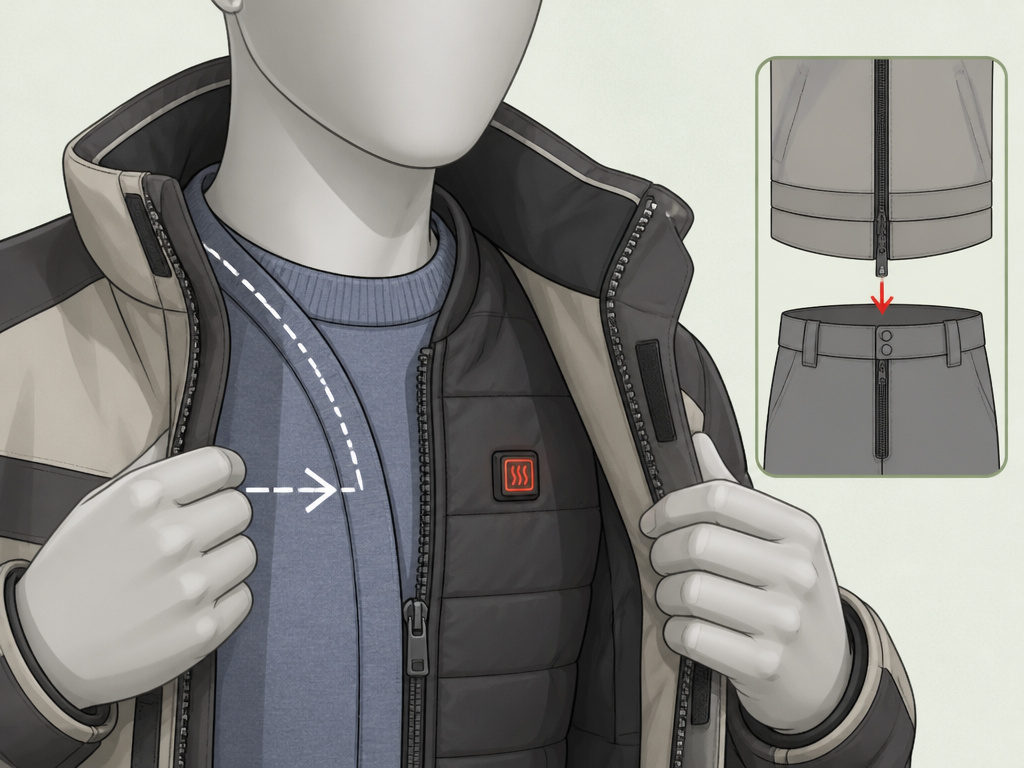
Layering is ordering materials so they work together, not against each other. The official guides are surprisingly specific.
Under the Jacket
Aerostich is blunt: wear a long-sleeved shirt and pants under your suit. This provides a thermal barrier in case of a slide, where friction can heat the suit’s fabric. For cold weather, their Darien Jacket guide lists a sequence: a long-sleeve thermal turtleneck, a flannel or wool shirt, a heavy sweater, and an electric vest.
Dainese pushes technical materials for base and middle layers because they “release moisture from the body fast and dry quickly.” The goal is to keep the moisture moving away from you, not soaking your insulation.
The Heated Liner Fit Debate
Even Harley-Davidson’s own documents seem to disagree. Their service manual says: “Do not wear the Harley-Davidson Heated Vest or Jacket directly next to the body. These items are designed to be worn with a light shirt underneath.” But their BTC gear overview says: “BTC heated clothing is not required to be worn snug to the body as the gap between the rider and the garment is beneficial to the heat transfer process.”
Both are true. Both are true. You need a thin shirt underneath for comfort and to prevent hotspots. But you also don’t want the liner cinched skin-tight. A slight air gap allows the warmed air to circulate, heating you more evenly. Snug, not tight.
Pants and the Waist Seal
Cold air loves to rush up your back. Dainese’s advice is simple and critical: “always attach your jacket to your pants via the zip at the waist to avoid drafts.” If your jacket and pants don’t connect, a windproof layer isn’t windproof.
Layering for Different Riding Styles
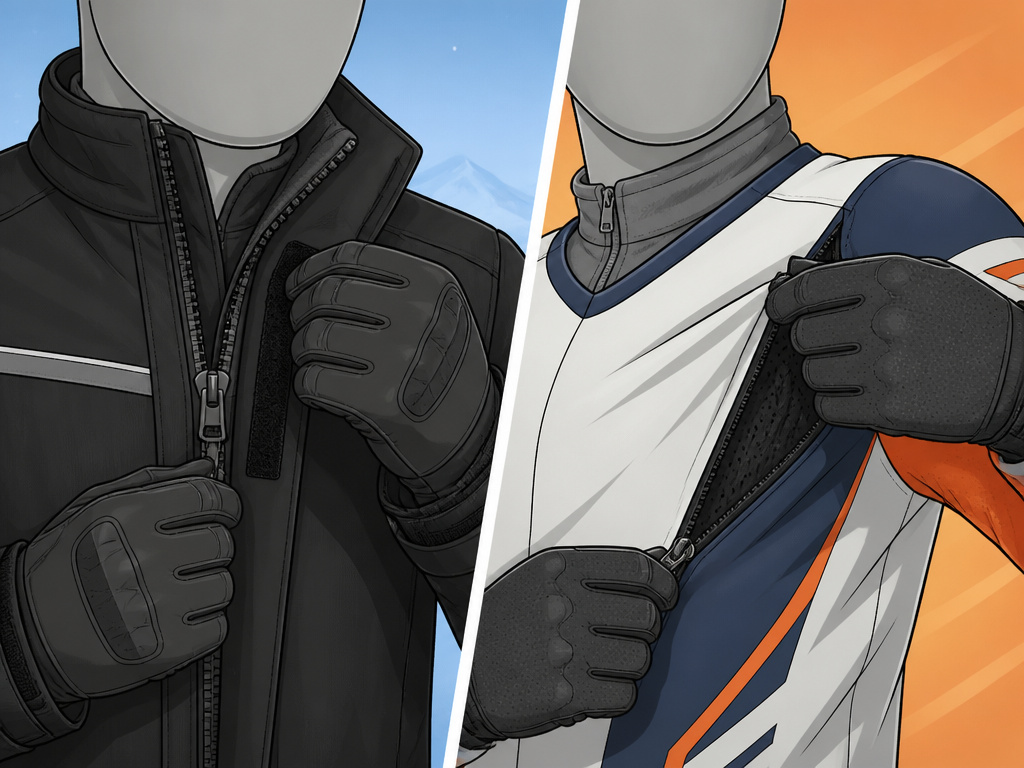
Your route changes the recipe. A highway drone and a twisty backroad blast demand different approaches.
Highway and Touring
This is maximum-defend mode. You’re stationary in a wind blast for hours. Seal everything. Use a windproof outer layer, a substantial mid-layer (fleece or synthetic puffy), and consider heated gear a necessity for temperatures near or below freezing. Dainese explicitly says for long highway trips, “you’ll have to cover up well.”
Active and Off-Road Riding
Here, sweat is your enemy. Dainese advises: “If you plan to ride on light off-road stretches or especially actively, it’s best to dress lighter.” You’ll generate body heat. Use a lighter, highly breathable mid-layer (like a thin fleece) and a vented outer layer if possible. The goal is to let vapor out without letting cold air in.
The part nobody mentions: You need a strategy for stops. On an active ride, you’ll warm up. When you stop for gas, that sweat will chill you instantly. Pack an extra, dry insulating layer in your bag to throw on the moment you stop moving.
Common Layering Mistakes and Fixes
Getting cold is usually one of these five errors.
-
Using Cotton Anything Cotton kills. It absorbs moisture like a sponge, holds it against your skin, and loses all insulating value when wet. It also dries slowly. A cotton hoodie under your jacket is a recipe for a chill that sets in at your first coffee stop. Swap it for fleece or wool.
-
Over-Bulking the Mid-Layer Too much bulk in the mid-layer restricts movement and can compress the insulation, reducing its loft and warmth. It also prevents your outer jacket from fitting properly, breaking wind seals at the wrists and waist. If you can’t move your arms freely, you’ve overdone it.
-
Ignoring Socks and Gloves Your extremities lose heat fast. Dainese advises that “one pair of quality socks is better than two pairs.” Two pairs can overcompress, slowing blood circulation and making your feet colder. For gloves, the best cold weather motorcycle gloves combine insulation, windproofing, and dexterity.
-
Skipping the Neck Seal A draft down your neck steals warmth from your entire core. A balaclava worn under your helmet or a dedicated neck gaiter is essential. Some helmets, like AGV models, have reversible winter liners built in.
-
Forgetting the Electrical Check Plugging in a heated liner without knowing your bike’s spare capacity is a great way to walk. It’s the equivalent of running a space heater on a circuit already powering your fridge and microwave. Check first.
Accessories: The Final 20%
The main layers get you 80% there. These details close the gap.
Head and Neck
A balaclava is the single most effective piece for the money. It insulates your face and neck and stops the helmet vent whistle. A fleece neck gaiter worn over the balaclava adds another wind-blocking layer.
Hands
Installing heated grips is, in my opinion, a better first investment than heated gloves. They warm your hands from the inside, improving blood flow to your fingertips. Combine them with windproof over-gloves or insulated riding gloves designed for cold weather.
Feet
Good boots are a given. Add insulated, moisture-wicking socks (merino wool again). For long, cold rides, adhesive foot warmer pads on the instep can make a shocking difference.
What gear is recommended for winter motorcycle riding?
Manufacturers design specific items for cold weather layering. Harley-Davidson’s BTC Heated Gear line includes a 12V jacket liner, a quilted jacket liner with synthetic insulation, and waterproof overpants. Their heated liner is intended as a mid-layer worn beneath a standard riding jacket, not directly against the skin. Aerostich recommends specific layering for their Darien Jacket in cold weather, including a thermal turtleneck, a flannel or wool shirt, a heavy sweater, and notes an electric vest is key for all-day comfort. Dainese states all winter motorcycle jackets and pants need a waterproof membrane and that insulation layers are designed for a broad cold-weather range.
Frequently Asked Questions
What is the 3 layer rule for winter motorcycle riding?
The 3-layer rule is a system: a base layer to wick sweat, a mid-layer to insulate, and an outer layer to block wind, water, and provide abrasion protection. This separates functions so you can adjust each one for changing conditions, unlike a single bulky jacket that tries to do everything.
What is the best base layer for motorcycles in winter?
Merino wool is the best all-around base layer. It wicks moisture effectively, retains some heat even when damp, and naturally resists odors. Synthetic materials like polyester are a second choice, often drying faster and at a lower cost, but they can hold body odor more over time.
How do I know if my motorcycle can handle heated gear?
Check your motorcycle’s owner’s manual or consult a dealer for the available accessory power draw (in amps). Then, check the amp draw of the heated gear you want to use (found in its instruction manual). If the gear’s draw is close to or exceeds your bike’s available power, you risk draining the battery, especially on older or smaller-displacement models.
Why should I avoid cotton when layering?
Cotton absorbs and holds moisture against your skin. When wet, it loses all insulating ability and dries very slowly. This means sweat from the ride or morning humidity will make you cold and stay that way. Technical fabrics like merino wool or synthetics move moisture away from you.
Can I wear a heated liner as my outer jacket?
No. Manufacturers like Harley-Davidson explicitly state heated liners are a mid-layer “best when worn beneath a leather or textile riding jacket, and are not intended to replace them.” Your outer jacket provides critical abrasion resistance and weather protection a liner lacks.
The Bottom Line
Winter layering is a system, not a guess. Start with a moisture-wicking base layer, add an insulating mid-layer matched to the temperature, and seal it with a windproof, waterproof outer layer. Heated gear is a powerful tool, but know its electrical appetite, 77 watts isn’t trivial.
For most riders facing a typical winter commute or weekend ride, the answer is straightforward: a merino wool base layer, a fleece mid-layer, and a Gore-Tex-equipped outer jacket and pants. Add a balaclava and heated grips, and you’re set for anything down to freezing.
If your rides dip below that regularly, move the heated element to your core with a vest or jacket liner. Just check your bike’s manual first. That one step prevents the most common, trip-ending failure in winter riding.
