
7 Best Smart Motorcycle Helmets in 2026
This post contains affiliate links. As an Amazon Associate, we earn from qualifying purchases.
The best smart motorcycle helmet for most riders is the Sena Outrush 2 Modular Smart Helmet, which excels at universal group communication. For premium audio, consider the Sena Impulse, while the FRBRK model stands out for its lightweight design. These helmets integrate technology directly into the shell for a cleaner, more reliable experience than add-on systems.
Choosing a smart helmet means balancing connectivity, comfort, and certification. You need a system that works with your riding group, audio quality that cuts through wind noise, and a fit that doesn’t cause fatigue on long rides. The right helmet connects you without distracting you.
We built this guide by comparing manufacturer specifications, communication system features, and patterns in expert and owner feedback. Our picks cover different priorities, from group intercom range to solo-commuter essentials, to help you find the right integrated tech for your rides.
Top 7 Smart Motorcycle Helmets in the Market
Certain content that appears on this site comes from Amazon. This content is provided "as is" and is subject to change or removal at any time.
The Best Smart Motorcycle Helmets, Reviewed
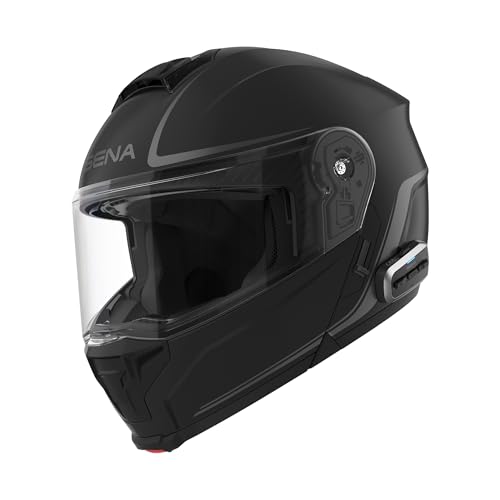
Sena Outrush 2 Modular Smart Helmet
What We Like
- Mesh Intercom 3.0 connects with any brand headset.
- Intelligent Power Management preserves battery life.
- P/J dual homologation for safe riding chin-up or down.
- High Definition Speakers provide studio-quality sound.
Trade-offs
- At 4.0 pounds, it's heavier than the 3.3-pound FRBRK helmet.
- Requires cellular network coverage for long-distance intercom use.
Mesh Intercom 3.0 and WAVE Intercom compatibility allow communication with riders using any brand of headset, which means a group isn’t limited to one manufacturer. The helmet also carries P/J dual homologation, so its protection is certified whether the chin bar is up or down. This combination supports both versatile conversation and modular convenience.
The Outrush 2 weighs four pounds, which is more than some simpler modular helmets like the 3.3-pound FRBRK model. That mass can be felt during longer rides, especially when compared to the lightest options available. Riders who prioritize extensive communication features will carry that weight for the integrated Bluetooth and intercom system.
Product photos
Sena Impulse Modular Bluetooth Helmet

What We Like
- Premium Harman Kardon audio system
- Integrated Mesh and Bluetooth intercom
- Voice-activated digital assistant access
- Modular flip-up design for convenience
Trade-offs
- At 4.4 pounds, it's heavier than the 3.3-pound FRBRK model
- Intermediate oval fit may not suit all head shapes
Integrated Harman Kardon audio provides clear sound for music and intercom, making communication a central feature. This helmet suits riders who want high-quality sound and reliable connectivity. Its system combines Mesh intercom for group communication with Bluetooth for phone calls, plus voice command access, enabling a hands-free riding experience. It is a solid option when audio performance is a priority.
You do make a trade-off for that premium audio and feature set in terms of weight. At 4.4 pounds, it’s not the lightest option in the guide, like the more streamlined Sena Outrush 2 which comes in at 4.0 pounds. The modular flip-up design offers versatility for putting the helmet on or taking a break. If cutting every ounce is your goal, a simpler model might be a better fit, but for its sound system, the Impulse stands out.
Product photos
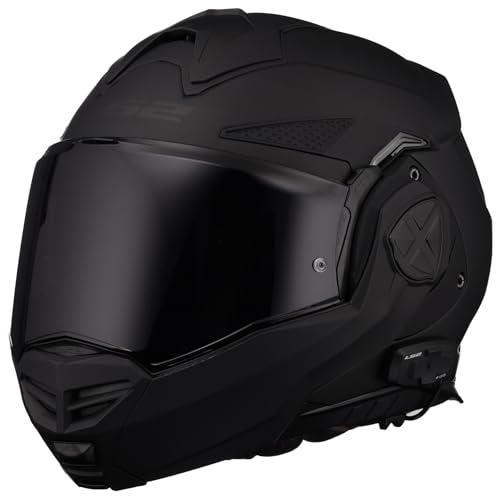
LS2 Advant X Modular Helmet
What We Like
- Integrated Cardo 4X system with Bluetooth 5.2
- ECE-certified as both open and full-face helmet
- Includes Pinlock insert and built-in sun shield
- 180-degree modular system for easy on and off
Trade-offs
- At 6.0 pounds, it is heavier than some modular helmets
- The fit runs small, requiring careful size selection
The LS2 Advant X includes a Cardo 4X Bluetooth system installed at the factory, so you get a fully waterproof communication package without any aftermarket assembly. Under ideal conditions, it allows connections for up to four riders at a maximum distance of 1.2 km, which suits group rides. Its dual ECE certifications for both open and full-face use add practical versatility, and the included Pinlock insert helps manage fogging. This helmet fits riders who want integrated communications without a separate installation.
That integration does add weight, however. At six pounds, the Advant X is heavier than a streamlined option like the Sena Outrush 2, which weighs four pounds. You’re trading some heft for the convenience and clean finish of a built-in system. If a lighter weight is your primary concern, the Sena might be the better pick, but for riders who value a unified design and group intercom features, the LS2’s package is a clear alternative.
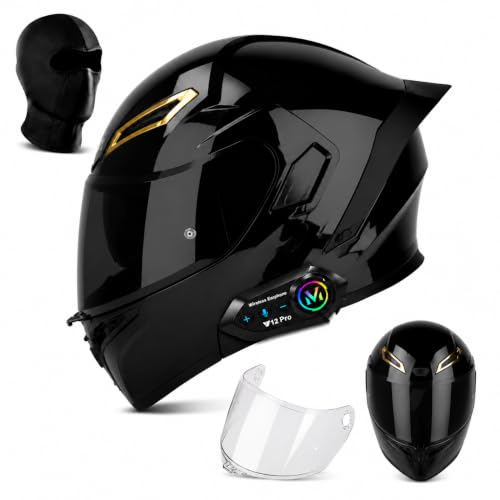
Auftgut Bluetooth Modular Helmet
What We Like
- Integrated Bluetooth for music, calls, and intercom.
- Dual visor system with retractable inner sunshield.
- Aerodynamic design reduces wind noise and buffeting.
- Breathable, sweat-proof 3D liner for long-ride comfort.
Trade-offs
- No listed weight for comparison
A built-in Bluetooth system with intercom and noise cancellation means you can take calls and stream music without fumbling for a separate device, a key feature for riders wanting connectivity on a budget. This helmet suits riders prioritizing core smart features and sun protection, thanks to its dual visor system and drop-down inner shield that tackles glare without needing to swap parts mid-ride. The aerodynamic ventilation helps keep you cool and cuts down on fatigue during longer journeys.
This helmet meets DOT FMVSS-218 standards for legal road use in the U.S., so you have a certified safety foundation. Its construction pairs a durable ABS shell with a shock-absorbing EPS core to reduce impact forces. While the Sena Outrush 2 is listed at 4.0 pounds, the Auftgut’s weight isn’t specified, making direct heft comparisons before purchase impossible.
Product photos
FRBRK Bluetooth Modular Helmet

What We Like
- Lightweight design reduces neck strain
- Integrated Bluetooth with active noise reduction
- Dual visor system for sun protection
- ABS composite shell is durable
Trade-offs
- No ECE certification mentioned for international riders
The FRBRK helmet weighs 3.3 pounds, a figure lower than the 4.0 to 6.0 pounds of several other modular models, which can reduce neck strain during extended wear. Its integrated Bluetooth handles calls and music playback with phone battery display, adding convenience for daily use. DOT FMVSS-218 certification means it meets the fundamental safety standard required for road use in the United States.
The helmet’s listed external dimensions are 13.4 inches long, 9.4 inches wide, and 9.8 inches high. The Bluetooth system provides stereo sound, call functions, and music playback, according to the product description. For a rider wanting a straightforward, lightweight helmet with these core communication features, the FRBRK delivers the specified functionality.
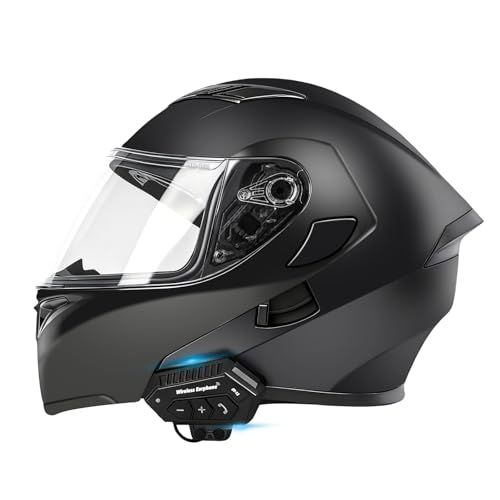
NVSIO Bluetooth Modular Helmet
What We Like
- Integrated Bluetooth with stereo speakers and microphone
- Dual-layer sun visor system protects eyes from glare
- Removable and washable interior liner for easy cleaning
Trade-offs
- At 4.4 pounds, it's heavier than the 3.3-pound FRBRK model
- Weighs 4.4 pounds, heavier than the 3.3-pound FRBRK model.
Meeting the requirements of both DOT and ECE 22-05 standards, this helmet offers a level of safety certification recognized for travel and local riding. Its integrated Bluetooth system provides stereo sound and call functions, eliminating the need for a separate installation. A dual-layer visor design includes an internal dark sunshade to protect eyes from sunlight, and the removable liner simplifies cleaning.
That built-in convenience does add some heft to the package. At 4.4 pounds, it sits in the middle of the weight range for smart helmets, noticeably heavier than the lightest options like the FRBRK. For riders seeking a dual-certified modular helmet with integrated Bluetooth and sun protection, it delivers a well-rounded package.
Product photos
Txwsvtrn Smart Modular Helmet
What We Like
- Aerodynamic, streamlined shell reduces air resistance and noise
- Three vents and removable liner promote airflow and comfort
- Dual visor system offers sun protection and a wide field of view
Trade-offs
- Requires user installation of the separately packaged Bluetooth device
- Modular flip-up mechanism adds complexity compared to a solid shell
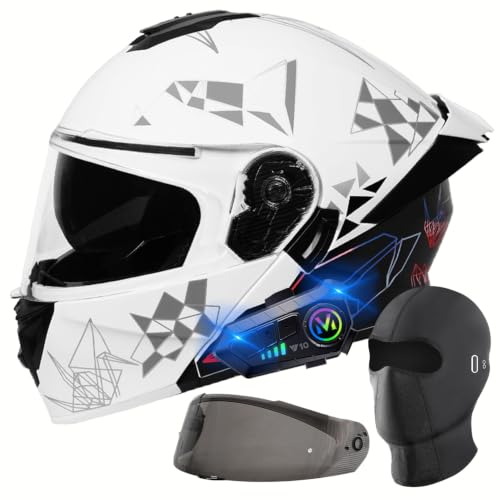
The Txwsvtrn helmet’s standout feature is its aerodynamic design, which directly translates to less rider fatigue and a quieter cockpit on long highway stretches. This focus on airflow is complemented by three adjustable vents and a fully removable liner, making it a strong choice for riders who prioritize comfort and reduced wind noise. Its integrated Bluetooth 5.3 system adds modern convenience with quick charging, though the core appeal is how its shape cuts through the air.
This DOT-approved helmet arrives with its Bluetooth device packaged separately for user installation. Its modular flip-up design offers the versatility of a full-face or open-face configuration, while the dual visor system includes a drop-down sun shield for managing glare on the go. An aerodynamic shape and three vents are intended to promote airflow and reduce noise for rider comfort.
Product photos
How We Evaluated Smart Motorcycle Helmets
Our evaluation is research-based, comparing manufacturer specifications for communication systems, audio components, and helmet construction. We analyzed expert round-ups and consistent patterns in long-term owner feedback regarding comfort, battery life, and real-world connectivity.
Key criteria were universal intercom compatibility for group rides, audio clarity for music and calls, and helmet weight for reducing neck strain. We also prioritized modular designs for convenience and proper safety certifications, which are non-negotiable. You can read more about the smart helmet pros and cons to understand the trade-offs.
A research-led evaluation cannot replicate thousands of miles of road vibration or personal fit. We rely on reported specs and feedback, so trying on a helmet for comfort and checking the exact communication range for your area remains essential.
What To Look For In Smart Motorcycle Helmets
A smart helmet should integrate technology without compromising protection or comfort. Focus on the communication system’s compatibility, the audio quality for your listening needs, and the helmet’s fundamental design for your riding style.
Prioritize a communication system that matches your riding group’s gear, ensure the speakers deliver clear sound over wind noise, and verify the helmet’s weight and fit for all-day comfort. Safety certification is the mandatory foundation.
Communication & Connectivity
The core of a smart helmet is its ability to connect. Look for systems offering both standard Bluetooth for phone pairing and a dedicated intercom protocol, like Mesh, for group communication. Mesh systems often provide longer range and can connect more riders simultaneously. Universal compatibility is key if you ride with friends using different brands. For a deeper look at options, explore our guide on the best Bluetooth helmets.
Consider the advertised intercom range, but understand it’s often a best-case scenario. Battery life is also critical; look for power management features that extend talk time. If you ride solo, a simpler Bluetooth system for music and calls may be all you need from a helmet with a built-in Bluetooth system.
Audio Quality & Speakers
High-definition speakers and noise-canceling microphones make the difference between intelligible audio and a frustrating experience. Premium audio systems, like the Harman Kardon setup in our premium pick, provide richer sound for music. The speaker placement within the helmet liner affects both sound quality and comfort.
Wind noise is the enemy of good audio. A well-sealed helmet shell and aerodynamic design contribute as much to sound clarity as the speakers themselves. For riders focused on audio, researching dedicated helmet speakers can provide useful comparison points.
Helmet Form & Fundamentals
The integrated technology is built into a specific helmet type. Modular (flip-up) designs offer the convenience of an open-face helmet at stops with the protection of a full-face shell while riding. They are ideal for commuters but can be heavier. Always verify the helmet’s safety certifications (DOT, ECE, or both) for your region.
Weight directly impacts neck fatigue, especially on long tours. Lighter composite shells, such as those around three pounds, are an advantage over heavier models. A proper fit is paramount; an ill-fitting helmet will be uncomfortable no matter how good its technology.
- Check for multiple shell sizes for a better fit, not just padding adjustments.
- Ensure the chin curtain and neck roll help seal out noise.
- Look for a Pinlock-ready visor or integrated sun shield for glare protection.
- Confirm the communication controls are glove-friendly and intuitively placed.
- Prioritize removable, washable liners for hygiene on multi-day trips.
The safest smart helmet is one that fits you perfectly and carries the proper certification for where you ride.
Smart Motorcycle Helmets Compared
The following table compares key specs and features across our seven picks to highlight their differences at a glance.
| Product | Weight | Safety Standard | Bluetooth System |
|---|---|---|---|
| Sena Outrush 2 Modular Smart Helmet | 4.0 pounds | P/J dual | Smartphone Bluetooth |
| Sena Impulse Modular Bluetooth Helmet | 4.4 pounds | DOT | Integrated Mesh & Bluetooth |
| LS2 Advant X Modular Helmet | 6.0 pounds | DOT FMVSS 218 and ECE 22.06 | Integrated Cardo 4X Bluetooth |
| Auftgut Bluetooth Modular Helmet | N/A | DOT FMVSS-218 approved | Built-in with intercom & noise-reducing mic |
| FRBRK Bluetooth Modular Helmet | 3.3 Pounds | DOT FMVSS-218 | Integrated headset |
| NVSIO Bluetooth Modular Helmet | 4.4 pounds | DOT / ECE 22-05 | Stereo sound, auto-answering, noise reduction |
| Txwsvtrn Smart Modular Helmet | N/A | DOT FMVSS-218 certified | Built-in Bluetooth 5.3 |
Frequently Asked Questions
Which motorcycle smart helmet is the best?
The Sena Outrush 2 Modular Smart Helmet is the best overall for its universal Mesh Intercom 3.0 system that connects with nearly any brand headset, making it ideal for group rides. Its modular design offers riding flexibility, and features like intelligent power management help preserve battery life during long days.
What should I look for in a smart helmet for motorcycles?
Focus on the communication system’s compatibility with your riding group, the clarity of the speakers and microphone over wind noise, and the helmet’s weight and fit. A modular design is convenient for commuting, but always verify the helmet has the proper safety certification (DOT or ECE) for your location.
What is the most technologically advanced motorcycle helmet?
The most advanced helmets integrate premium audio brands, voice-activated digital assistants, and long-range mesh intercom systems that can connect many riders over distance. These systems are built directly into the shell for a clean look and often include features like automatic volume adjustment and advanced battery management.
Are smart motorcycle helmets safe?
Smart motorcycle helmets are safe when they are built to the same fundamental safety standards as traditional helmets. The integrated electronics are placed in non-critical areas of the EPS liner and shell. It’s crucial to choose a helmet from a reputable manufacturer that holds proper DOT or ECE certifications, which you can learn more about in our resource on the safest motorcycle helmets.
Can I add a communication system to my current helmet?
Yes, you can add an aftermarket Bluetooth intercom system to almost any helmet, which is a good option if you love your current lid’s fit. However, integrated smart helmets offer a cleaner, more aerodynamic profile with speakers optimally placed in the liner. For a comparison, see our picks for the best helmet communication systems.
The Bottom Line
The Sena Outrush 2 Modular Smart Helmet is the best overall choice for riders who frequently communicate with a group, thanks to its universal Mesh Intercom system and practical modular design. It balances strong connectivity with solid core helmet features.
For riders on a budget, the Auftgut Bluetooth Modular Helmet provides integrated tech at an affordable price. If minimizing weight is your top concern for reducing neck strain, the FRBRK Bluetooth Modular Helmet is the standout pick. You can explore other types of helmets if a full-face or other style better suits your needs.
Ultimately, the single most important factor is fit and certification. No amount of technology is worthwhile if the helmet doesn’t fit your head securely or lack the proper safety rating for your rides.
