
10 Best Motorcycle Tire Pressure Monitoring Systems in 2026
This post contains affiliate links. As an Amazon Associate, we earn from qualifying purchases.
Our best overall motorcycle tire pressure monitoring system is the Sykik Rider SRTP300 Wireless Motorcycle TPMS, a discreet, install-and-forget solution with strong warranty support. For riders who prefer smartphone integration, the FOBO Bike 2 Bluetooth TPMS excels, while those wanting a self-charging display should consider the LNKERCO Solar Motorcycle TPMS.
Maintaining correct tire pressure is a critical safety task that’s easy to neglect. A TPMS provides real-time awareness, helping prevent poor handling, uneven wear, and dangerous blowouts before they happen.
This guide is based on research into specifications, manufacturer documentation, expert round-ups, and patterns in owner feedback. We’ve ranked ten systems to match different riding styles, budgets, and technical preferences.
Top 10 Motorcycle Tire Pressure Monitoring Systems in the Market
Certain content that appears on this site comes from Amazon. This content is provided "as is" and is subject to change or removal at any time.
The Best Motorcycle Tire Pressure Monitoring Systems, Reviewed
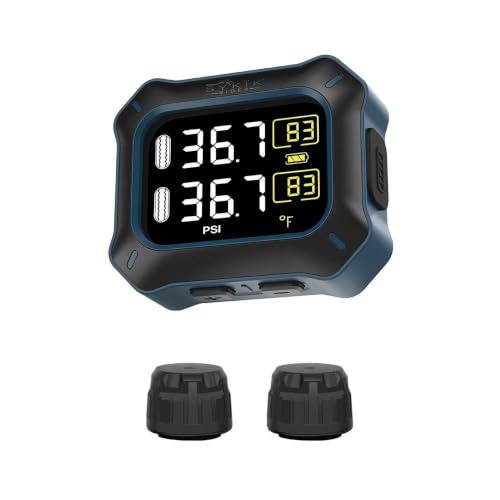
Sykik Rider SRTP300 Wireless Motorcycle TPMS
What We Like
- Smallest and lightest sensors available
- Monitor has long-life rechargeable battery
- Default PSI/Fahrenheit settings for immediate use
- Full one-year US warranty with stateside support
Trade-offs
- Monitor requires recharging every 9-12 months
- Small 1.5-inch display shows less data at once
The combination of the smallest sensors and a compact, water-resistant monitor makes the SRTP300 a remarkably clean and unintrusive setup. You install it and ride, with pressure readings in familiar PSI and Fahrenheit. This focus on a streamlined, plug-and-play experience suits riders who want reliable monitoring without a bulky display or complicated phone pairing. It’s a set-it-and-forget-it system backed by a solid warranty.
The trade-off for that compact design is a monitor that needs periodic charging, unlike a solar-powered unit like the LNKERCO. You’re swapping the hassle of wires for the task of remembering to plug in the display about once a year. For riders who prioritize a minimalist cockpit and proven reliability over perpetual solar power, the Sykik Rider delivers a straightforward safety net.
FOBO Bike 2 Bluetooth TPMS

What We Like
- Real-time alerts for pressure and temperature changes
- Easy wireless setup via smartphone app
- Cloud sync and multi-bike profile support
- Manages group ride monitoring from one app
Trade-offs
- Relies on your smartphone for all alerts and data
Relying entirely on a smartphone via Bluetooth 5.0, the FOBO Bike 2 creates a dashboard-free cockpit for a cleaner handlebar setup. Continuous monitoring and instant push notifications for leaks or temperature changes work while riding or when the bike is parked, removing tire safety guesswork. This system suits riders comfortable managing gear through an app, those who want to share status updates, and anyone aiming to avoid a dedicated display.
A smartphone is required to view real-time data, unlike systems such as the Sykik Rider SRTP300 with its constant handlebar screen readout. Riders who prefer not to depend on a phone for a critical safety function will see this as a limitation. For those already integrated into their smartphone, the FOBO Bike 2 provides comprehensive monitoring and smart alerts in a tidy package.
LNKERCO Solar Motorcycle TPMS
What We Like
- Solar panel provides passive power top-ups
- Auto on/off with vibration wake eliminates manual switches
- Factory-paired sensors install with no tire disassembly
- Magnetic charging port avoids wear and tear
Trade-offs
- Requires CR1632 coin cell replacement for sensors
- Solar charging depends on adequate ambient light
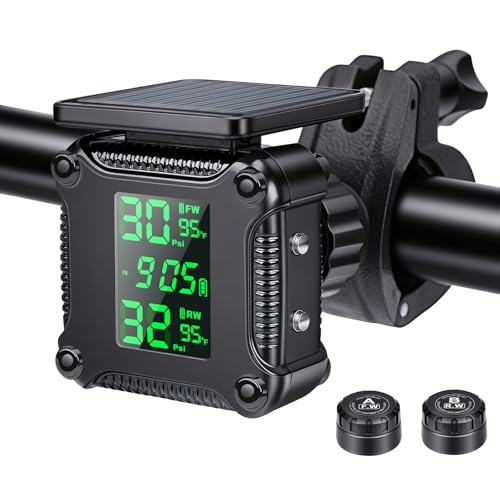
A solar panel on the display solves the core annoyance of constantly recharging a dedicated monitor, making it a set-and-forget system for riders who use their bike regularly. The seven distinct alarms cover every critical tire scenario from slow leaks to rapid pressure loss, alerting you with sound and light so your eyes can stay on the road. This combination of effortless power management and comprehensive alerts makes it a standout for riders who want maximum awareness with minimal daily fuss.
You get solar convenience and a large, clear display, but the unit is bulkier on your handlebars. At over six inches tall, it occupies more space than compact options like the Sykik Rider. For riders with crowded cockpit setups or who prioritize a minimalist look, that size could be a drawback. However, if you value a self-sustaining power source and a screen you can read at a glance, its design delivers practical benefits.
Product photos
Liwogi Motorcycle TPMS System

What We Like
- Comprehensive audiovisual alarms for multiple fault conditions.
- Magnetic charging avoids port wear from frequent plugging.
- IP-rated waterproof and dustproof design for all-weather riding.
- Automatic power-on with vibration sensing and standby mode.
Trade-offs
- Maximum pressure limit of 6.6 bar excludes some high-pressure tires.
- Requires external sensor installation with provided spanner and nuts.
A multi-alarm system that warns of leakage, low pressure, high pressure, high temperature, and low receiver power defines this TPMS. These audio-visual alerts mean a rider can be notified of a developing issue like a slow leak before it strands them, which aligns with the core safety purpose of these systems. For those who value clear, immediate warnings over a minimalist display, it provides the prompts needed for a quick roadside decision.
You get a detailed alert system, but the monitor is larger than some, like the compact Sykik Rider SRTP300. Finding a suitable spot on your handlebars or dash for its 6.3-inch width is necessary. However, its magnetic charging and waterproof, dustproof design make it a set-and-forget unit for long-distance riders, as it operates in temperatures from -20°C to +80°C.
Product photos
Avutrel IP67 Motorcycle TPMS

What We Like
- IP67 waterproofing for all-weather riding.
- Tool-free installation with anti-theft design.
- Alerts for pressure leaks and overheating.
- USB-rechargeable display with magnetic charging.
Trade-offs
- External sensors may be vulnerable to damage or theft.
An IP67 waterproof rating means this system is sealed against dust and immersion, so you can ride through heavy rain without a second thought. That rugged build, combined with its real-time alerts for pressure drops and overheating, makes it a reliable safety sentinel for riders who prioritize durability and clear warnings. It’s a solid fit for adventure and touring riders who need a monitor that can handle the elements as well as their bike does.
You get a tough, waterproof unit, but the display is fairly large at 6.8 inches long and needs a decent spot on your bars. While it’s packed with practical features like magnetic charging, riders with crowded dashboards might find the compact Sykik Rider SRTP300 a more space-efficient choice. This Avutrel system delivers its core job, keeping you informed of tire safety, with a focus on physical resilience.
Product photos
AotuLink Bluetooth Motorcycle TPMS
What We Like
- App-based monitoring eliminates a separate display unit
- IP67 sensors withstand rain, mud, and harsh conditions
- Easy screw-on installation without tire disassembly
- App allows customizable alert thresholds and unit switching
Trade-offs
- Requires a smartphone mounted and visible for real-time data
- No dedicated physical display for at-a-glance checks
- Relies entirely on your phone's battery during rides
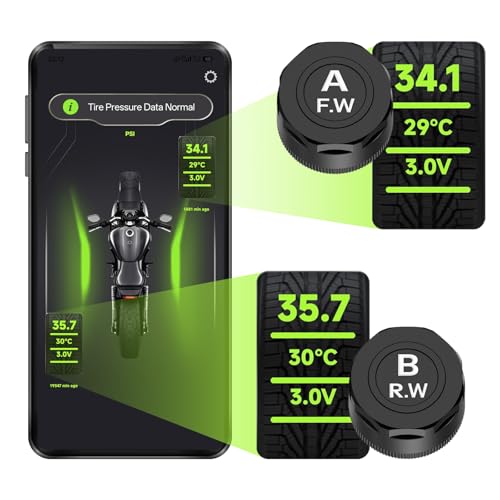
The AotuLink TPMS uses Bluetooth 5.0 to connect to a dedicated phone app, so you view real-time pressure and temperature data without a separate handlebar monitor. Its sensors measure 0.7 by 0.7 by 0.6 inches, a compact size that contributes to a discreet installation. The app supports personalized alarm thresholds and allows switching between PSI, BAR, KPA, Celsius, and Fahrenheit units.
Monitoring requires your smartphone to be powered on and connected, as there is no separate physical display. You receive instant app alerts for abnormal conditions, but real-time data viewing depends on the phone’s accessibility. For a dedicated display, the Sykik Rider SRTP300 includes a 1.5-inch monitor, while the AotuLink system is designed for app-centric use.
Product photos
XiangAi Bluetooth Motorcycle TPMS
What We Like
- Universal fit for motorcycles, e-bikes, and bicycles
- Tool-free installation by replacing valve caps
- App provides historical data logging and dashboard
- Waterproof and dustproof sensor construction
Trade-offs
- Requires a smartphone for all monitoring and alerts
- No dedicated display for at-a-glance readings
- External sensors may be vulnerable to theft or damage
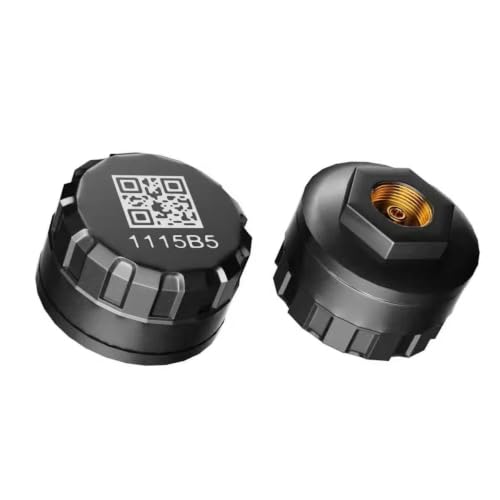
This TPMS connects directly to a smartphone via Bluetooth, turning the phone into a detailed tire data hub. That app-based design makes it a versatile choice for riders with multiple two-wheeled machines, as it’s universally compatible with American style valve motorcycles, e-bikes, and bicycles. Installation is a minute-long job, just screw on the sensors. You get proactive safety through customizable high and low pressure and temperature alerts, which notify you of a pressure drop or slow leak.
You get universal, app-based simplicity, but there is no dedicated display. You cannot just glance at a handlebar-mounted screen; checking pressure means pulling out your phone. For riders who prefer a standalone unit, the Sykik Rider SRTP300 provides a constant physical readout. However, if your priority is universal compatibility for installation and you already use your phone for navigation, the app integrates that data into your existing ride routine.
Product photos
KEMIMOTO Wireless TPMS Sensors
What We Like
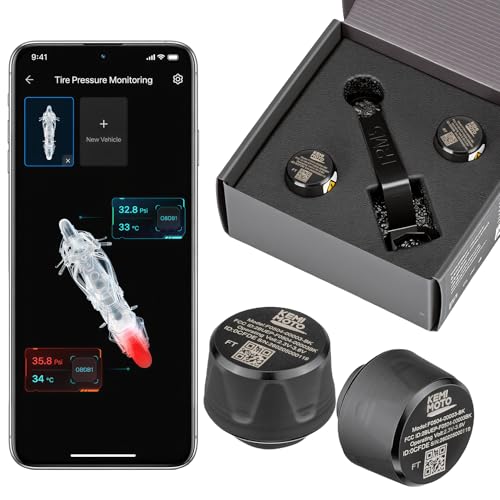
- Simultaneous alerts to phone, headset, and smartwatch
- Long two-year battery life per sensor
- Easy screw-on installation with no tools
- Monitor multiple bikes from a single app
Trade-offs
- Not compatible with 90-degree protruding valve stems
- Sensors may contact motorcycle parts if they protrude
- Requires riding above 12.4 mph for initial data update
The ability to send real-time alerts to a smartphone, a helmet headset, and a smartwatch simultaneously is a standout feature for riders who rely on multiple devices. This multi-device connectivity means you can get critical pressure or temperature warnings through your preferred interface without missing a beat. It’s a smart fit for tech-savvy riders or groups who want to monitor several bikes from one dashboard, thanks to an app that can handle up to 50 vehicles. The two-year battery life in each sensor also adds peace of mind for long tours, eliminating frequent battery change hassles.
The installation is straightforward for standard valve stems, but the design has a clear limitation. If your bike has valve stems that stick out at a 90-degree angle from the rim, these sensors won’t fit, and on some bikes, even compatible sensors might protrude enough to hit other components. For riders with that valve setup, a system with a different sensor design, like the Sykik Rider SRTP300 with its dedicated monitor, might be a simpler solution. This Kemimoto system trades a universal physical fit for its advanced wireless connectivity and app-based flexibility.
Product photos
QPKING Wireless Motorcycle TPMS
What We Like
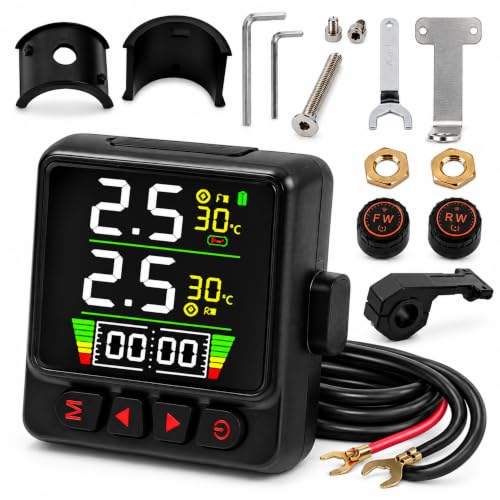
- Provides multiple, specific alarm notifications
- Smart sleep mode conserves battery when parked
- Includes all mounting hardware for external sensors
Trade-offs
- Requires checking valve type and space before purchase
- External sensors may be vulnerable to damage or theft
A display that shows front and rear tire pressure, tire temperature, voltage, time, and tilt angle simultaneously means a rider gets a comprehensive snapshot of bike and tire status without toggling screens. This makes the QPKING system an excellent fit for riders who prioritize situational awareness and want to monitor multiple vehicle parameters at a glance. The added tilt alarm is a thoughtful safety feature for detecting an unexpected lean, which can indicate a slow leak or parking instability.
This system uses external sensors, so you should check their fit on your valve stems and ensure there’s enough clearance. Unlike the LNKERCO Solar Motorcycle TPMS, it needs vehicle power and lacks a solar charger, but it shows far more data directly on its screen without a phone app. It’s a straightforward, information-dense choice for riders who prefer a dedicated display.
Product photos
Spedal iBar Motorcycle TPMS

What We Like
- App allows fully customizable high/low pressure and temperature alerts
- Compact, low-profile external sensors with anti-theft lock nuts
- Simple Bluetooth setup requires no wiring or separate display
- Weather-resistant sensors suited for everyday riding conditions
Trade-offs
- Requires a compatible smartphone to be used as the display
- External sensors may not fit all valve stems; clearance must be confirmed
- App must run in background with notifications enabled for continuous alerts
Setting custom high- and low-pressure limits and a temperature threshold in the iBar app lets riders define their own safety alerts. Live readings are sent directly to a phone, which requires no wiring or separate display. The system fits standard Schrader tire valves on most motorcycles.
The system relies on a compatible iOS or Android phone for its display, unlike the Sykik Rider SRTP300 which uses a 1.5-inch monitor. Installation requires confirming valve clearance for the external sensors and checking for air leaks before riding.
Product photos
How We Evaluated Motorcycle Tire Pressure Monitoring Systems
Our research focused on specifications, manufacturer data, expert round-ups, and consistent patterns in owner feedback. We did not conduct hands-on product testing.
We prioritized four criteria for this category: installation method and sensor design, power source and maintenance, alert comprehensiveness, and display type and readability. A system’s physical footprint and sensor vulnerability are key for motorcycles, where space is limited and parts are exposed. The quality of safety alerts directly impacts real-world usefulness, as outlined in our TPMS explained resource.
An evaluation based on product information has limits. Real-world accuracy across all conditions and long-term durability are not confirmed here. For more detailed product comparisons, see the dedicated best motorcycle TPMS guide.
What To Look For In Motorcycle Tire Pressure Monitoring Systems
Choosing the right system involves balancing convenience, reliability, and how you prefer to receive information. The goal is to find a monitor that integrates smoothly into your riding routine without adding hassle.
Key criteria include the sensor installation type, which can be external screw-on or internal. Another factor is the display style, either a dedicated handlebar unit or a smartphone app. You’ll also want to consider the power source, like solar, rechargeable, or replaceable batteries. Finally, look at the scope of safety alerts for both pressure and temperature.
Sensor Installation & Design
Most aftermarket systems use external sensors that screw onto your valve stems, replacing the standard cap. This tool-free installation is simple but makes the sensors vulnerable to damage, theft, or contact with nearby bike parts. You must check your valve stem type (straight or angled) and available clearance before buying. A less common, more permanent option involves installing sensors inside the tire, which requires professional mounting but offers better protection.
Power & Maintenance
Consider how each component is powered. Display units may be USB-rechargeable, solar-assisted, or use replaceable batteries. Sensors typically use small, user-replaceable coin cell batteries with lifespans ranging from one to two years. Systems with a solar panel, like the LNKERCO, reduce charging chores, while all-in-one app-based systems drain your phone’s battery. Factor in the long-term cost and frequency of battery replacements or recharges.
Alerts & Display
A good TPMS provides clear, proactive warnings. Look for systems that alert you to rapid pressure loss (a puncture), slow leaks, high temperature, and when pressure falls outside your preset high/low limits. The display method is personal: a dedicated handlebar screen offers an always-visible, at-a-glance check, while a smartphone app provides richer data and logging but requires your phone to be mounted and active.
For checking pressures manually off the bike, a reliable tire pressure gauge is still a wise backup tool. Confirm the system alerts for both fast and slow pressure loss, and check if temperature warnings are included, especially for touring. Ensure the display is readable in direct sunlight if it’s a handlebar unit. Verify app compatibility with your phone’s operating system. Consider if you want alerts via a dedicated display, phone, or both.
The most reliable system is one you’ll actually use consistently, so match it to your riding habits and tech comfort.
Motorcycle Tire Pressure Monitoring Systems Compared
The following table compares the key features of our top picks to help you see the differences at a glance.
| Product | Display/Connection | Alarm Types | Power Source |
|---|---|---|---|
| Sykik Rider SRTP300 Wireless Motorcycle TPMS | 1.5 inch monitor | N/A | 9-12 month rechargeable |
| FOBO Bike 2 Bluetooth TPMS | Bluetooth 5.0 to app | Real-Time Monitoring, Smart Alerts | CR1632 coin cell |
| LNKERCO Solar Motorcycle TPMS | Solar display | 7 smart alarms | Solar + magnetic charging |
| Liwogi Motorcycle TPMS System | N/A | Multiple alarm system | Magnetic charging |
| Avutrel IP67 Motorcycle TPMS | LCD | Real-Time Safety Alerts | Magnetic USB |
| AotuLink Bluetooth Motorcycle TPMS | Smartphone app only | Pressure, temperature, leak, low battery | N/A |
| XiangAi Bluetooth Motorcycle TPMS | Bluetooth to iOS & Android App | Customizable Pressure & Temperature | Replaceable battery |
| KEMIMOTO Wireless TPMS Sensors | App monitoring | N/A | Approximately 2 years |
| QPKING Wireless Motorcycle TPMS | HD Display | High/low pressure, high temperature, tilt | DC 11.5V-30V |
| Spedal iBar Motorcycle TPMS | iBar app on iOS/Android | Custom high/low pressure, temperature | Replaceable |
Frequently Asked Questions
What is the best tire pressure monitoring system for motorcycles?
The best system depends on your needs. For a discreet, reliable unit you install and forget, the Sykik Rider SRTP300 is an excellent choice. Riders who prefer to manage everything through a smartphone should look at the FOBO Bike 2, while those wanting a self-powered display might prefer the solar-assisted LNKERCO model.
Which tire pressure monitoring system is the best for long-distance touring?
For touring, prioritize a rugged, weatherproof build with comprehensive alerts. The Avutrel IP67 Motorcycle TPMS offers high waterproofing and durability for all-weather travel. The Liwogi system also provides exhaustive audiovisual alarms for various fault conditions, which is valuable on long, remote rides.
How does a motorcycle TPMS work?
A basic TPMS uses sensors on each tire valve that measure pressure and temperature. These sensors transmit data wirelessly to a receiver, which is either a dedicated display mounted on your handlebars or your smartphone via a Bluetooth connection. The receiver shows the readings and triggers alerts if values move outside safe ranges.
Is a dedicated display or smartphone app better?
A dedicated display is always visible without needing your phone, offering simplicity and immediate glanceability. A smartphone app provides more detailed data logging, historical graphs, and often allows for finer alert customization. Your choice should hinge on whether you always ride with a mounted phone and prefer a clean handlebar.
Can I use one TPMS on multiple motorcycles?
Some systems, like the XiangAi Bluetooth TPMS, are designed for universal compatibility and easy transfer between bikes, e-bikes, or bicycles. Others, like the FOBO Bike 2, support multiple bike profiles within a single app, allowing you to manage sensors assigned to different motorcycles but not necessarily swap them instantly without re-pairing.
The Bottom Line
For most riders seeking a reliable, low-profile monitoring system, the Sykik Rider SRTP300 Wireless Motorcycle TPMS is the best overall choice. Its tiny sensors and straightforward operation make it a true install-and-forget safety upgrade.
If your budget is limited, consider the value-packed options in our broader tire pressure monitors comparison. Riders who need a system for multiple bikes or extreme weather should look at the Avutrel for ruggedness or the XiangAi for universal fit.
Ultimately, the best TPMS is the one you’ll consistently monitor. Whether you choose a dedicated display or smartphone integration, the goal is maintaining proper tire pressure for safety and performance on every ride.
