
5 Best Motorcycle Foam Ear Plugs in 2026
This post contains affiliate links. As an Amazon Associate, we earn from qualifying purchases.
Our best overall motorcycle foam earplugs are Mack’s Maximum Protection Soft Foam Earplugs, offering the highest noise reduction in a doctor-recommended form. For riders who prioritize music clarity, the Flare Audio Isolate Reusable Ear Plugs are a strong choice, and the GOL-SIV NRR 33dB pack delivers great value for frequent use.
Foam earplugs are a simple, effective defense against the wind and engine noise that can permanently damage your hearing on a bike. We researched this category by analyzing specifications, manufacturer data, and patterns in rider feedback to identify these five top performers for different needs and budgets.
Top 5 Motorcycle Foam Ear Plugs in the Market
Certain content that appears on this site comes from Amazon. This content is provided "as is" and is subject to change or removal at any time.
The Best Motorcycle Foam Ear Plugs, Reviewed
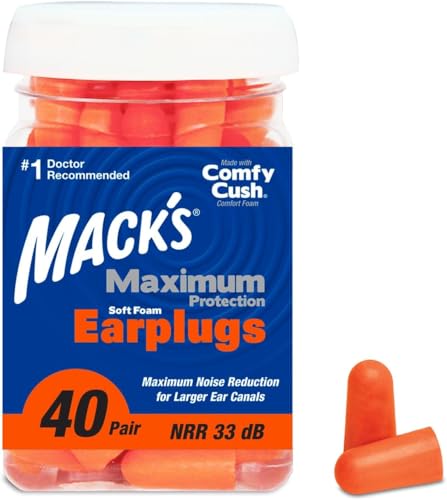
Mack's Maximum Protection Soft Foam Earplugs
What We Like
- Highest NRR of 33 dB for maximum noise reduction
- Low-pressure foam designed for larger ear canals
- #1 doctor-recommended earplug brand
Trade-offs
- No cord or case for storage between uses
- Single-use foam requires regular replacement
With the highest Noise Reduction Rating of 33 decibels, these earplugs deliver the most substantial sound dampening available in a foam plug, which is crucial for long highway rides where wind noise can be fatiguing. This combination of top-tier performance and thoughtful comfort makes them a reliable, all-around choice.
The trade-off is in convenience. Unlike a product like the GOL-SIV earplugs with a cord, these are loose plugs, so you’ll need to be mindful not to drop them when inserting or removing them on the go. For pure, uncompromising noise blocking and comfortable fit straight out of the jar, Mack’s sets the standard. But if you frequently take your plugs in and out at fuel stops, you might prefer a model that physically connects the pair to avoid loss.
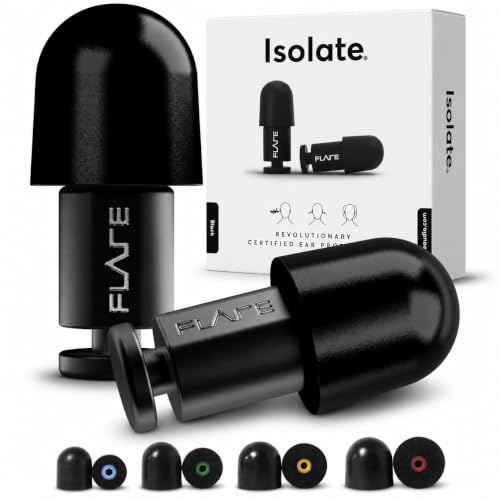
Flare Audio Isolate Reusable Ear Plugs
What We Like
- Aluminium stems reduce noise evenly across frequencies
- Heat-reactive foam tips create a secure acoustic seal
- Reusable design with easy-to-clean aluminium stems
- Includes four tip sizes for a personalized fit
Trade-offs
- 30 dB reduction is less than some foam-only plugs
- Requires proper tip selection and insertion for optimal seal
- Higher maintenance than disposable foam plugs
Certified protection reduces sound by up to 30 dB, meeting the EN 352-2:2020 standard for use with power tools and motorbikes. Precision-engineered aluminium stems are designed to reduce noise evenly across frequencies, which keeps music clear and detailed instead of just muffling everything. A secure fit comes from four sizes of super-soft, heat-reactive memory foam tips that expand to form a personalized acoustic seal.
Its maximum reduction is up to 30 dB, while some disposable foam plugs like Mack’s Maximum Protection list a 33 dB NRR. This difference may matter in the loudest environments where every decibel counts. For general use where balanced sound and reusability are valued, the aluminium stems and replaceable foam tips offer a durable, hygienic alternative to single-use options.
Product photos
GOL-SIV NRR 33dB Foam Ear Plugs with Cord

What We Like
- High 33 dB NRR provides substantial hearing protection.
- Individually wrapped design ensures hygiene and portability.
- Slow-rebound foam offers a comfortable, secure fit.
- Bulk 100-pair pack is convenient for frequent use.
Trade-offs
- Disposable design creates ongoing waste versus reusable plugs.
- 35-second expansion time requires a brief pause before full protection.
- Bulk box is less compact than smaller travel packs.
These ear plugs have an NRR rating of 33dB, a high level of certified noise reduction that meets ANSI safety standards. The box contains 100 individually wrapped pairs, a bulk format suited for frequent use where hygiene and disposal are priorities. Their slow-rebound foam expands inside the ear canal for up to 35 seconds, which requires a brief wait after insertion to achieve a secure fit.
As a disposable product, these plugs require ongoing replenishment compared to reusable alternatives. The individually wrapped design aids cleanliness but generates more waste per use. They deliver consistent, certified protection in a simple format for environments where single-use items are practical.
Product photos
VeoryFly Ultra Soft Foam Ear Plugs

What We Like
- High 32 dB NRR for strong noise blocking.
- Ultra-soft PU material for comfortable, pressure-free fit.
- Massive 250-pair pack offers exceptional long-term value.
- Individual wrapping ensures clean, portable storage.
Trade-offs
- Standard size may not fit larger ear canals well.
- Disposable nature requires frequent replacement for hygiene.
- Lower 32 dB NRR than some competitors like Mack's 33 dB.
These ear plugs carry a certified 32 dB noise reduction rating, which meets OSHA standards for workplace safety and provides substantial hearing protection. Their ultra-soft PU foam uses a 40-second slow rebound to conform gently to the ear canal, a design noted for relieving pressure during extended wear. This certified protection and comfort come in a bulk pack of 250 pairs, offering a practical supply for repeated use in noisy environments.
The trade-off is in the fit and permanence. They are a standard size, so riders with larger ear canals might find them less secure. Being disposable, you’ll be replacing them every few days for best performance, which is a consideration next to a reusable option like the Flare Audio Isolate. For the price, however, you’re getting industrial-grade protection that’s soft enough for long rides and abundant enough to stash in every jacket and garage.
Product photos
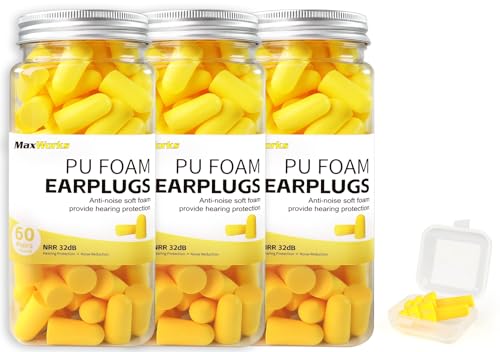
MaxWorks 51225 PU Foam Ear Plugs
What We Like
- Includes both foam and silicone plug types
- Comes with multiple portable carry cases
- Made from skin-friendly, non-toxic BASF material
Trade-offs
- Longer 40-60 second rebound time requires patience before inserting
The kit format is its real strength, bundling a massive supply of foam plugs with a few pairs of reusable silicone ones and individual cases. This approach is perfect for the rider who wants to outfit a whole group, keep spares in multiple bags, or simply hasn’t decided which plug material they prefer.
That versatility does involve a compromise, as the foam requires a full 40 to 60 seconds to rebound before insertion. For a buyer who values sheer quantity and options above all else, this kit is hard to beat. It is not ideal for those who prioritize a minimalist package with only one style of earplug.
Product photos
How We Evaluated Motorcycle Foam Ear Plugs
Our evaluation started with the manufacturer-provided Noise Reduction Rating (NRR), the single most important spec for comparing hearing protection. We prioritized plugs with high, certified NRR values, as consistent exposure to wind noise inside a helmet is a major cause of long-term hearing damage for riders. We then examined the foam material and design, looking for features like slow-rebound foam for a secure seal and options for different ear canal sizes to ensure comfort on long rides.
We also considered real-world practicality, such as whether plugs were disposable or reusable, came with a case or cord, and were available in bulk for convenience. Our research relied on product specifications, expert round-ups from motorcycle publications, and consistent patterns in owner feedback about fit and effectiveness. A research-based approach like this cannot account for the unique shape of every individual’s ear canal, so comfort can vary, but it effectively identifies the highest-performing products on paper.
What To Look For In Motorcycle Foam Ear Plugs
Choosing the right earplugs is about balancing maximum protection with a fit that stays comfortable for hours in the saddle. Key factors include the certified noise reduction rating, the material and expansion time of the foam, and whether a disposable or reusable design fits your riding habits.
Effective motorcycle earplugs should have a high Noise Reduction Rating (NRR), use slow-rebound foam for a secure seal, and offer a comfortable fit that does not cause pressure. Consider whether you prefer the convenience of disposable earplugs or a reusable, often more eco-friendly, option.
Noise Reduction Rating (NRR)
The Noise Reduction Rating is a standardized measure of how many decibels an earplug can reduce sound exposure. For motorcycle wind noise, which can be significant at highway speeds, a higher NRR is important. Look for plugs with an NRR of 30 dB or higher.
Remember, this rating is achieved in lab conditions with perfect insertion, so proper fit is essential to get the advertised protection. For a deeper look at all types of hearing protection, explore our guide to the best hearing protection.
Fit and Comfort
A high NRR is useless if the earplug is uncomfortable or falls out. Foam earplugs should be made of soft, slow-rebound polyurethane that compresses easily and expands gently to form a custom seal in your ear canal. Some riders with larger canals seek out low-pressure foam designs. Finding the right seal is crucial, as an improper fit can dramatically reduce real-world effectiveness. Our research on earplugs for wind noise details how a good seal specifically combats the fatiguing roar inside a helmet.
Disposable vs. Reusable Design
Traditional foam plugs are single-use, designed to be discarded after a day of riding. This offers hygienic convenience and is practical when bought in large, value-priced packs. Reusable options, often with washable silicone or aluminum stems and replaceable foam tips, create less waste and can be more cost-effective over time. Your choice depends on your preference for convenience versus sustainability. Comparing the long-term value and performance of each type is important, which is why we have a dedicated resource on foam vs reusable earplug options.
- Roll the plug into a tight, crease-free cylinder before inserting.
- Pull your ear up and back to straighten the canal during insertion.
- Hold the plug in place as it expands to form a seal.
The most critical step is allowing the compressed foam enough time to fully expand in your ear canal to create an effective acoustic seal.
Motorcycle Foam Ear Plugs Compared
The comparison table below outlines the key specifications and features of our top picks at a glance.
| Product | Noise Reduction Rating (NRR) | Material | Quantity |
|---|---|---|---|
| Mack’s Maximum Protection Soft Foam Earplugs – 40 Pair | 33 dB | Comfy Cush foam | 40 pair |
| Flare Audio Isolate | Reusable Ear Plugs for Concerts, Festivals and Work | Up to 30 dB | Latex-free memory foam | 4 pairs (tips) |
| GOL-SIV NRR 33dB Foam Ear Plugs with Cord,100 Pairs/Boxfor Sleeping | 33dB | Latex-free soft foam | 100 pairs |
| VeoryFly Ultra Soft Foam Ear Plugs, 250 Pairs Individually Wrapped 32dB | 32dB | Ultra-soft PU foam | 250 pairs |
| MaxWorks 51225 Yellow Ear Plugs – 180 Pairs PU Foam + 3 Pairs Silicone with Carry Case | 32dB NRR | PU Foam (BASF, non-toxic) | 180 pairs PU foam + 3 pairs silicone |
Frequently Asked Questions
What are the best foam earplugs for motorcycle riding?
The best foam earplugs offer a high Noise Reduction Rating and a comfortable, secure fit. Mack’s Maximum Protection Soft Foam Earplugs are our top pick for their 33 dB NRR and doctor-recommended design, providing strong protection against damaging wind noise.
Which earplugs block the most noise?
Foam earplugs typically offer the highest noise-blocking potential, measured by their NRR. Plugs like the Mack’s Maximum Protection and GOL-SIV NRR 33dB models have ratings of 33 dB, which is among the highest available for this type of disposable hearing protection.
Can you still hear your bike with earplugs?
Yes, with properly fitted earplugs. High-quality plugs reduce damaging high-frequency wind roar while still allowing lower-frequency sounds like your engine and traffic to be heard, often improving auditory focus and reducing rider fatigue on long trips.
Are reusable earplugs as good as foam?
Reusable earplugs can be very effective and are often better for maintaining sound clarity, like our Flare Audio pick. While some foam plugs may have a slightly higher NRR, reusable options are more eco-friendly and can be more cost-effective over many uses if maintained properly.
How often should I replace foam earplugs?
Disposable foam earplugs are designed for single use and should be replaced after each riding day for hygiene and consistent performance. Their effectiveness diminishes as the foam loses its ability to rebound and seal properly. For a broad selection of top-rated motorcycle earplugs, including various styles, see our full guide.
The Bottom Line
For most riders seeking the strongest possible hearing protection, Mack’s Maximum Protection Soft Foam Earplugs are the best overall choice, combining a top-tier 33 dB NRR with a comfortable, doctor-recommended design. If you’re on a tight budget, the VeoryFly Ultra Soft pack offers tremendous value, while those wanting to preserve music and conversation clarity should consider the reusable Flare Audio Isolate plugs.
Regardless of your choice, protecting your hearing from chronic wind noise is non-negotiable. A proper seal is more important than any specification on the box, so take the time to insert your earplugs correctly every time you ride.
