
10 Best Biker Helmets in 2026
This post contains affiliate links. As an Amazon Associate, we earn from qualifying purchases.
The Sena OUTRUSH 2 Modular Smart Helmet is our best overall pick for its integrated communication and flexible modular design. For the highest certified safety, consider the Shoei RF-1400, and the BELL Qualifier is our top budget pick. Choosing the right helmet is a critical safety decision.
The best helmet is the one you will wear consistently, which demands a perfect fit for your head shape and riding style.
Top 10 Biker Helmets in the Market
Certain content that appears on this site comes from Amazon. This content is provided "as is" and is subject to change or removal at any time.
The Best Biker Helmets, Reviewed
Sena OUTRUSH 2 Modular Smart Helmet
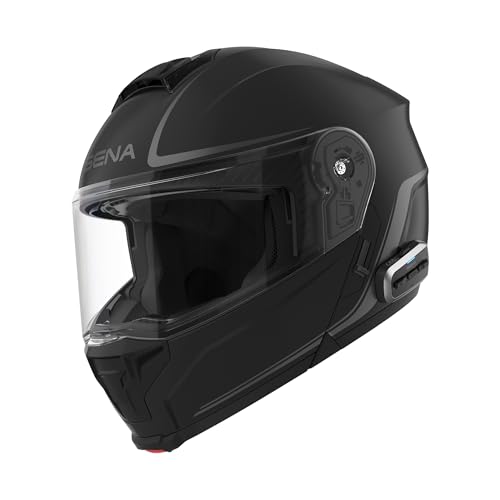
What We Like
- Modular chin bar for open or closed riding
- Extended battery life with auto power management
- Connects to any brand headset via WAVE Intercom
- High-definition speakers for clear audio
Trade-offs
- At 4.0 pounds, it is heavier than several full-face models like the AGV K1 S
- The modular hinge mechanism adds complexity compared to a simple full-face shell
Its WAVE Intercom compatibility means you can talk with riders using any brand of headset, breaking down communication barriers on group rides. This helmet suits riders who want maximum connectivity without being locked into a single ecosystem. The modular design offers the flexibility to ride with the chin bar up for ventilation or down for full protection, all while meeting safety standards in either position. Intelligent power management ensures the battery lasts longer by turning the system off when the helmet is stationary.
The trade-off for this versatility is added weight from the integrated electronics and moving parts, making the Outrush 2 noticeably heavier than simpler, dedicated full-face helmets like the Shoei RF-1400. For solo riders who prioritize minimal weight and don’t need intercom features, that lighter option is a more focused choice. However, if staying connected is a priority, this helmet’s blend of smart features and modular convenience is hard to match.
Product photos
Shoei RF-1400 Full Face Helmet

What We Like
- Lightest SNELL-approved helmet in Shoei's lineup
- Aerodynamic shell reduces drag and lift
- Dual-layer EPS foam liner for impact absorption
- New noise reduction technology and padded cheek pads
Trade-offs
- Compact shell shape may not fit all head shapes comfortably
- At 3.6 lb, it is heavier than the 3.5 lb AGV K1 S
Weighing just 3.6 pounds, the RF-1400 manages to be Shoei’s lightest SNELL-certified helmet, a significant feat that reduces neck strain on long rides without compromising its protective structure. This helmet is built for riders who prioritize uncompromising safety standards and refined engineering. Its hand-laid composite shell and multi-density EPS liner are designed to meet the rigorous SNELL M2020 standard, while wind-tunnel shaping and a proprietary Vortex Generator shield system actively work to cut noise and turbulence. You get a quiet, stable, and supremely protective package.
That premium construction does mean a higher price point, and the compact, aerodynamic shell is a specific fit. If your head shape matches it, you’re getting one of the most advanced lids available. For riders seeking similar lightweight protection but with a more budget-conscious approach, the AGV K1 S is notably lighter at 3.5 pounds, though it lacks the same depth of aerodynamic and acoustic refinement found here.
BELL Qualifier Full-Face Helmet
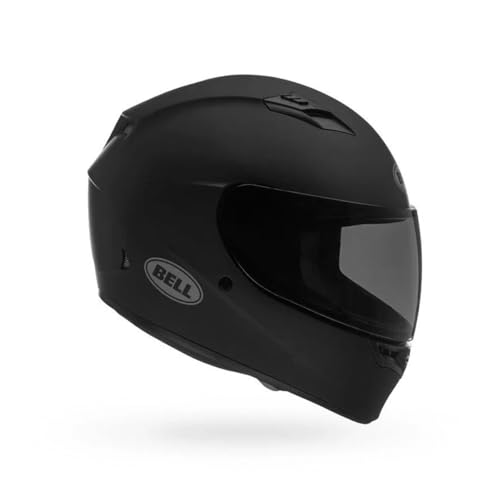
What We Like
- Anti-fog shield enhances visibility in varied weather.
- Integrated speaker pockets for easy comms system installation.
- Washable liner manages sweat and fights odor.
- Padded wind collar adds comfort and reduces noise.
Trade-offs
- At 4.8 pounds, it's heavier than the 3.5-pound AGV K1 S.
- The fixed full-face design lacks modular versatility.
Packed with features from Bell’s flagship Star line, the Qualifier delivers exceptional value by bringing premium performance to a budget-friendly package. This is a great choice for riders seeking reliable, full-face protection with modern conveniences like integrated comms pockets and effective ventilation without a high price tag. The NutraFog II shield is a standout, keeping your view clear when humidity or temperature drops threaten to fog things up.
Weighing 4.8 pounds, the BELL Qualifier is a substantial helmet that some riders may feel more on extended journeys than lighter alternatives like the 3.6-pound Shoei RF-1400. For daily commuting and shorter weekend trips where budget is a primary concern, it delivers significant value. The weight is comparable to other full-featured helmets in its class, such as the similarly heavy ScorpionEXO T520.
AGV K1 S Street Helmet
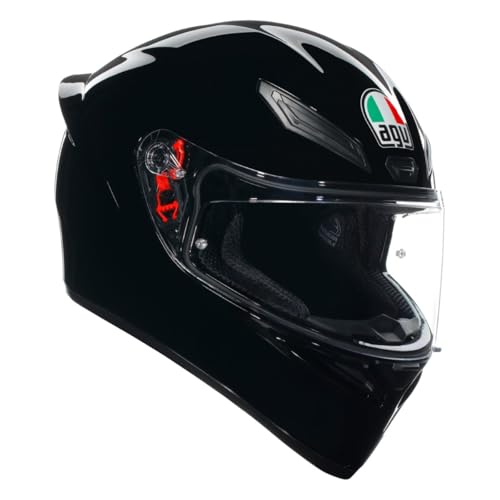
What We Like
- Comprehensive venting system for constant fresh air
- Wide-field Pinlock-ready visor fights fogging
- Secure double-D ring chinstrap closure
Trade-offs
- Weighs 3.5 pounds
- Thermoplastic shell construction
The AGV K1 S weighs 3.5 pounds, which is lighter than the 4.0-pound Sena OUTRUSH 2 and the 5.0-pound Arai Signet-X. Its high-resistance thermoplastic shell comes in two sizes to promote a balanced fit, and large front and crown vents with rear extractors are designed to deliver a constant supply of fresh air.
A Pinlock MaxVision-prepared GT4 visor is included for a wide field of view, and the clear visor comes with the helmet. The double-D ring chinstrap provides a race-proven closure, and the removable liner is washable. It meets the DOT FMVSS 218 safety standard.
ScorpionEXO T520 Touring Helmet
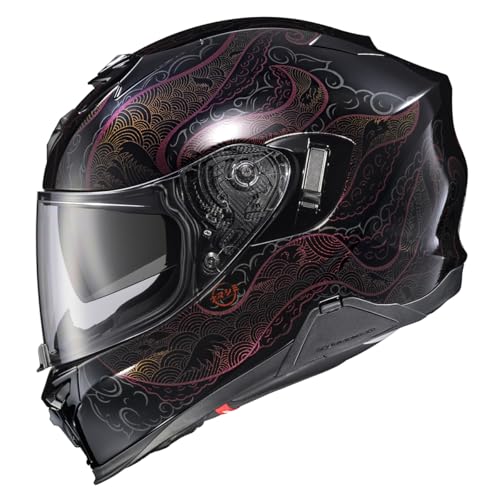
What We Like
- Includes Everclear no-fog shield and drop-down sun visor.
- AirFit inflation system allows custom cheek pad fit.
- Ready for EXO-COM Bluetooth system integration.
- KwikWick liner wicks moisture for comfort in varied weather.
Trade-offs
- At 4.8 pounds, it is heavier than the 3.6-pound Shoei RF-1400.
- The Bluetooth communicator system kit is sold separately.
With its integrated drop-down sun visor and no-fog shield, this 4.8-pound touring helmet helps riders manage changing light and weather without stopping. The ScorpionEXO T520 suits long days on the road, featuring Aero-Tuned ventilation that forces cool air in and exhausts hot air out. An AirFit inflation system allows for a custom cheek pad fit, which can help reduce wind noise and lift, and the design is EXO-COM ready to integrate with a separate Bluetooth communicator kit.
The trade-off for its feature set is weight. Compared to the notably lighter Shoei RF-1400, the ScorpionEXO feels more substantial on your head, which can become a factor on exceptionally long tours. You’re getting a lot of functionality for that heft, including tool-less shield changes and a five-year warranty. It’s a conscious choice for a rider who prioritizes integrated convenience and adjustable comfort over absolute minimal weight.
BELL Lithium MIPS Helmet

What We Like
- Includes MIPS for rotational impact protection
- Meets multiple major safety standards
- Drop-down sun shield for convenience
- Three shell sizes for better fit
Trade-offs
- At 5.0 pounds, it's heavier than the Shoei RF-1400
- Weighs 5.0 pounds
The BELL Lithium helmet incorporates MIPS slip-plane technology to help reduce rotational forces from angled impacts, a key safety feature for managing specific crash dynamics. This focus on advanced brain protection is backed by a brand with over 70 years of helmet innovation. The helmet also meets DOT, ECE22.06, and FMVSS 218 standards, indicating certification for use in multiple regions.
The helmet’s polycarbonate shell construction and 5.0-pound weight are practical considerations. This weight is higher than some alternatives, such as the Shoei RF-1400 which is notably lighter. The design includes a Class 2 optics drop-down sun shield for managing glare and uses three shell sizes to accommodate different head shapes.
Shoei Neotec 3 Modular Helmet

What We Like
- Flip-up design for full-face or open-face riding
- QSV-2 sun shield and Pinlock-equipped CNS-3C visor
- Multiple venting points for efficient airflow
- Wind tunnel-engineered, compact aerodynamic shape
Trade-offs
- At 4.2 lb, it's heavier than the 3.6 lb Shoei RF-1400
- Modular design adds complexity compared to a pure full-face
The Shoei Neotec 3’s modular design lets you flip up the chin bar at a stop for a drink or conversation, then click it securely back into place for full-face protection on the road. This versatility, combined with the excellent QSV-2 sun shield and Pinlock-ready main visor, makes it a top choice for riders who want maximum convenience without compromising on a secure, quiet, and aerodynamic fit. It’s built for touring riders who value flexibility and premium features.
You do pay a weight penalty for that flip-up mechanism; at 4.2 pounds, it’s noticeably heavier than dedicated full-face helmets like the Shoei RF-1400. The modular hinge also introduces more moving parts than a simpler design. If your priority is the absolute lightest weight or the most straightforward construction, a traditional full-face helmet is the better route. But for the rider who wants the best of both worlds, the Neotec 3 delivers a polished, well-ventilated package.
Product photos
Arai HELMET 0101-18189 Biker Helmet

What We Like
- Long oval shape fits narrow heads with pronounced foreheads.
- PB-SCLC shell construction balances performance and affordability.
- VAS latch securely holds shield closed during rides.
- VAS shield mechanism enhances the overall shell shape.
Trade-offs
- The specialized long oval fit excludes many head shapes.
The Arai Signet-X is built around a specific long oval head shape, increasing space front-to-back while narrowing side-to-side. This design targets riders with a narrow head and a more pronounced forehead, providing a secure, comfortable fit where many standard helmets create pressure points. Its shell uses a Peripherally Belted Super Complex Laminate Construction, which combines materials for a balanced blend of protection and value. The Variable Axis System shield mechanism integrates with the shell’s shape, and its latch helps keep the visor securely closed against the wind.
Designed for riders with a narrow head and a pronounced forehead, the Arai Signet-X uses a long oval shape that increases front-to-back space while decreasing side-to-side space. This helmet weighs 5.0 pounds, which is more than a model like the Shoei RF-1400. Its construction includes a Peripherally Belted – Super Complex Laminate shell and is DOT approved for legal on-road use.
ILM 902L Modular Helmet
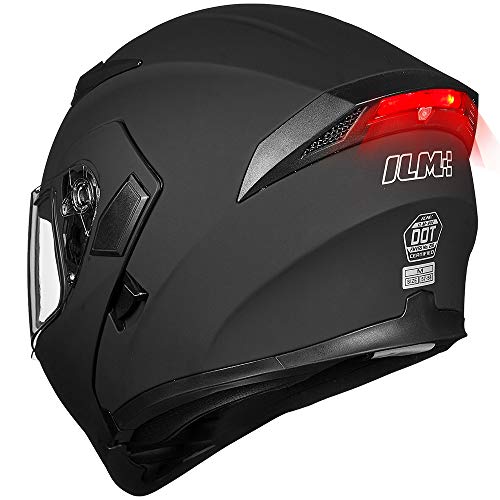
What We Like
- Flip-up modular design for easy on and off.
- Dual visor system with anti-fog and anti-scratch properties.
- Lightweight liner is removable for cleaning.
- Meets stringent DOT and FMVSS-218 safety standards.
Trade-offs
- At 5.0 pounds, it is heavier than the 4.2-pound Shoei Neotec 3.
- The modular hinge mechanism adds complexity compared to a full-face helmet.
The modular flip-up function allows the chin bar to be raised, providing easier access for putting on glasses or having a conversation without taking off the entire helmet. This flexibility is useful for commuters and touring riders who make frequent stops. The dual visor system includes a main clear shield and a secondary sun visor, offering sun protection without needing to change shields.
Weighing five pounds, the ILM 902L is heavier than some other modular helmets, such as the Shoei Neotec 3 which weighs 4.2 pounds. The shell is made from high-resistance ABS, a durable and common material. Riders who prioritize a lower weight above other features may consider alternatives.
Product photos
LS2 Strobe II Modular Helmet

What We Like
- Built-in sun shield eliminates separate sunglasses
- ECE 22.06 certification for modern rotational impact protection
- Quick-release chin strap for easy on and off
- Modular flip-up design offers full-face or open-face riding
Trade-offs
- At 5.0 pounds, it is heavier than the Shoei Neotec 3's 4.2 pounds.
- The Pinlock anti-fog insert is sold separately, requiring an extra purchase.
The LS2 Strobe II’s integrated drop-down sun shield is its standout feature, letting you switch from clear to tinted vision with a simple slide of a lever. This modular helmet suits riders who want the convenience of a flip-up chin bar combined with the practicality of built-in sun protection, all backed by the latest ECE 22.06 safety standard. The Kinetic Polymer Alloy shell is designed to manage energy effectively in an impact, providing a solid layer of security on every ride.
Weighing five pounds, the LS2 Strobe II is among the heavier options for a modular helmet. This can lead to more neck strain on long rides compared to lighter models like the 4.2-pound Shoei Neotec 3. That weight is partly due to its integrated drop-down sun shield, a feature that adds convenience by eliminating the need to carry separate eyewear. Riders who value quick sun protection may find the trade-off acceptable, while those seeking minimal weight might prefer a standard full-face design.
Product photos
How We Evaluated Biker Helmets
Our evaluation is based on detailed research of manufacturer specifications, safety certification data, and patterns in expert round-ups and owner feedback. We prioritized core criteria: safety certifications like DOT, ECE, and SNELL; weight and materials affecting long-term comfort; ventilation systems for temperature control; and integrated features like sun shields or communication readiness. This research-led approach identifies well-regarded options but cannot replicate the irreplaceable experience of trying a helmet on for personal fit, which is the single most important step in your buying process.
What To Look For In Biker Helmets
Your helmet is your most important piece of safety gear. Balancing protection, comfort, and features specific to your riding will ensure you choose a lid you’re happy to wear every time you ride.
Focus on safety certifications, a precise fit for your head shape, and features that match your riding style, like ventilation for summer or a sun shield for touring.
Safety Certifications
Look for a helmet that meets at least the U.S. Department of Transportation (DOT) standard. Many models also carry the European ECE 22.06 certification, which includes tests for rotational impact protection. The SNELL Memorial Foundation standard is a rigorous, voluntary benchmark often found on premium models, like our Shoei RF-1400 pick. These labels are your assurance the helmet has passed standardized impact and penetration tests.
Fit and Comfort
A helmet must fit snugly without creating painful pressure points. Manufacturers build shells in different shapes, round, intermediate oval, and long oval, to match common head profiles. The Arai HELMET 0101-18189 is our pick for long oval heads, which shows this specialized fit. The interior liner and cheek pads should contact your head evenly, and the helmet should not shift when you move your head. For a complete overview of the different helmet types and their fits, explore our dedicated guide.
Features and Construction
Consider features that solve your specific riding challenges. Modular helmets offer flip-up convenience, while integrated sun shields eliminate the need for sunglasses. Weight significantly affects neck strain on long rides; a lightweight polycarbonate shell like on the AGV K1 S provides relief. For maximum protection, many riders seek out the safest helmets with advanced liners and shells. Also, assess your need for communication system compatibility, which is built into models like the Sena OUTRUSH 2.
- Measure your head circumference just above your eyebrows to find your starting size.
- Wear the helmet for several minutes in a store to identify any hidden pressure points.
- Ensure your glasses fit comfortably through the designated channels if you wear them.
- Verify the visor mechanism operates smoothly and provides a wide field of view.
- Check that the chinstrap, whether a double-D ring or micro-metric buckle, is secure and comfortable.
The right helmet feels securely snug, not tight, and stays put when you gently twist it from side to side.
Biker Helmets Compared
The table below summarizes key specifications and features of our top picks to help you compare them at a glance.
| Product | Weight | Safety Certification | Shell Material/Construction |
|---|---|---|---|
| Sena OUTRUSH 2 Modular Smart Helmet | 4.0 pounds | P/J dual homologation, FMVSS 218 | N/A |
| Shoei RF-1400 Full Face Helmet | 3.6 pounds | SNELL M2020 | Fiberglass and organic fibers |
| BELL Qualifier Full-Face Helmet | 4.8 pounds | DOT, FMVSS 218 | N/A |
| AGV K1 S Street Helmet | 3.5 pounds | DOT FMVSS 218 | High-resistance thermoplastic |
| ScorpionEXO T520 Touring Helmet | 4.8 pounds | DOT and ECE Certified | Advanced Polycarbonate |
| BELL Lithium MIPS Helmet | 5.0 pounds | DOT, ECE22.06, FMVSS 218 | Polycarbonate |
| Shoei Neotec 3 Modular Helmet | 4.2 Pounds | DOT FMVSS 218 | AIM shell with multi-density EPS liner |
| Arai HELMET 0101-18189 Biker Helmet | 5.0 pounds | DOT, FMVSS 218 | PB-SCLC laminate |
| ILM 902L Modular Helmet | 5.0 Pounds | FMVSS-218 and DOT | High Resistance ABS |
| LS2 Strobe II Modular Helmet | 5.0 pounds | DOT, ECE 22.06 | Kinetic Polymer Alloy |
Frequently Asked Questions
What brand of motorcycle helmet is the best?
There is no single “best” brand for every rider. Top brands like Shoei, Arai, Bell, and AGV are consistently praised for quality, but the best helmet for you depends on your head shape, budget, and desired features. A perfect fit from a reputable brand that meets safety standards is more important than the brand name alone.
What are the top 10 best motorcycle helmets?
Our current list includes ten top helmets. The Sena OUTRUSH 2 Modular is our Best Overall pick. Other selections are the Shoei RF-1400 for Best Premium Snell-Rated, the BELL Qualifier for Best Budget, and the AGV K1 S for Best Lightweight Street. The list also features the ScorpionEXO T520 for Best For Touring, the BELL Lithium MIPS for Best With MIPS, and the Shoei Neotec 3 for Best Premium Modular. Rounding it out are an Arai model for Best For Long Oval Heads, the ILM 902L for Best Dual Visor Modular, and the LS2 Strobe II for Best With Sun Shield.
What is the 2 2 2 rule for bike helmets?
The 2-2-2 rule is a guideline for helmet replacement. It suggests replacing your helmet every two years from the date of purchase. You should also replace it two years from when you first start wearing it. The final rule is to replace it immediately after any crash or significant impact, showing zero tolerance. This accounts for material degradation from sweat, UV exposure, and normal use.
What are the top 5 helmet brands?
Based on industry reputation, innovation, and consistent presence in expert recommendations, Shoei, Arai, Bell, AGV, and HJC are often cited among the top helmet brands. Each offers a wide range of models across different safety certifications, price points, and fits to suit various riders.
What is the difference between a full-face and a modular helmet?
A full-face helmet is a single, solid shell offering maximum protection and often lower weight. A modular (or flip-up) helmet has a chin bar that pivots upward, allowing you to put the helmet on easily, talk, or drink without removing the entire lid. For a detailed breakdown, read our guide comparing full-face vs modular helmets.
The Bottom Line
The Sena OUTRUSH 2 Modular Smart Helmet is the best overall choice for riders who value group communication and the daily convenience of a flip-up chin bar. If you’re on a strict budget, the BELL Qualifier delivers essential full-face protection, while riders with a narrow head shape should prioritize the fit of the Arai long-oval model. No matter which model catches your eye, the single most important factor is trying it on to confirm a secure, comfortable fit before you buy.
