
10 Best Lightweight Motorcycle Helmets in 2026
This post contains affiliate links. As an Amazon Associate, we earn from qualifying purchases.
For riders prioritizing comfort, the TRIANGLE Full Face Motorcycle Helmet is our best overall lightweight helmet, offering a 2.7-pound design that reduces neck strain on long rides. Other top choices include the budget-friendly ILM Full Face and the premium-protection Shoei RF-SR. Lightweight helmets make long days in the saddle less tiring by minimizing the load on your neck and shoulders. This guide is based on research into specifications, manufacturer safety data, and patterns in owner feedback to help you find a helmet that balances weight, protection, and value.
Top 10 Lightweight Motorcycle Helmets in the Market
Certain content that appears on this site comes from Amazon. This content is provided "as is" and is subject to change or removal at any time.
The Best Lightweight Motorcycle Helmets, Reviewed
TRIANGLE Full Face Motorcycle Helmet
What We Like
- Lightweight 2.7-pound design reduces neck strain
- DOT certification provides essential impact protection
- Dual visor system adapts quickly to changing light
- Fully removable, machine-washable interior lining
Trade-offs
- External dimensions are larger than some compact full-face models
- Only four sizes (S-XL) are available for fit selection
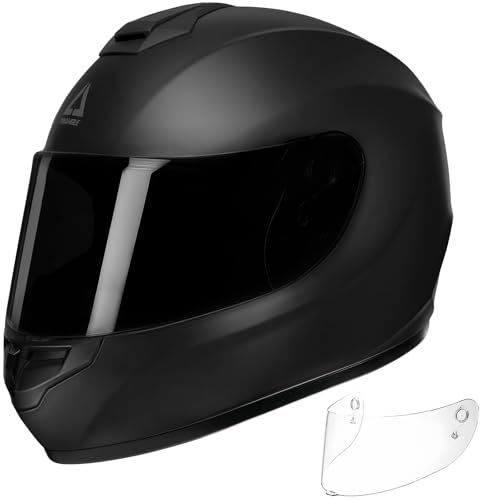
At just 2.7 pounds, the TRIANGLE helmet is a standout for riders seeking a full-face model that won’t weigh them down on long journeys. Its DOT-certified ABS shell delivers the fundamental safety required for street riding, while the quick-release visor system and washable liner make it practical for daily use. This combination of low weight, core protection, and user-friendly features makes it a compelling choice for commuters and touring riders who prioritize comfort without sacrificing essential safeguards.
Meeting DOT safety standards means this full-face helmet provides professional-grade protection for street and cruiser riding. Its weight of 2.7 pounds makes it one of the lighter options in its category, lighter than many full-face rivals like the AGV K1 S or Bell Qualifier. This translates to less neck strain during long rides compared to heavier helmets, while still offering the complete coverage a full-face design is meant to provide.
Product photos
ILM Full Face Motorcycle Helmet
What We Like
- Includes two visors and a winter neck scarf
- Aerodynamic design reduces wind noise
- Lightweight ABS shell construction
- Removable and washable inner lining pads
Trade-offs
- At 3.0 pounds, it's heavier than the 2.7-pound TRIANGLE helmet.
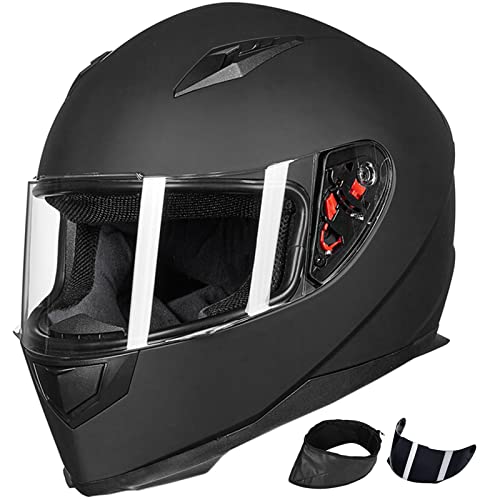
The ILM-313 meets DOT safety standards, providing the required protection for street riding. Its package includes both a clear and a smoked visor, plus a neck scarf, so a rider is equipped for different light conditions and cooler weather. The helmet’s ABS shell is described as lightweight and durable in its listing.
While the ILM helmet is a capable all-rounder, its weight is a tangible trade-off. For example, the TRIANGLE Full Face Helmet comes in at 2.7 pounds, which could be a deciding factor for riders who prioritize absolute minimal neck strain. The ILM’s strength is its complete, ready-to-ride kit, but if shaving every last ounce is your primary goal, you’ll find lighter options, though often at a higher price or with fewer included accessories.
Shoei RF-SR Full Face Helmet
What We Like
- Meets rigorous Snell M2020D safety standard.
- AIM shell provides advanced impact absorption.
- Multiple vents ensure optimal airflow on rides.
- Emergency Quick Release System aids first responders.
Trade-offs
- At 3.5 lb, it's heavier than the 2.7 lb TRIANGLE.
- Shell dimensions are larger than many compact models.
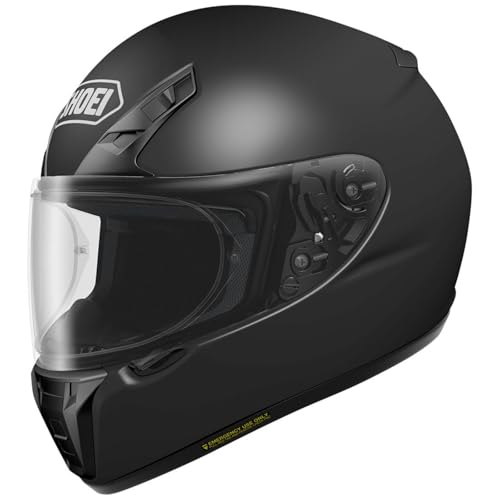
The Shoei RF-SR meets the Snell M2020D certification, a standard that goes well beyond the basic DOT requirement. This tells a rider that the helmet’s Advanced Integrated Matrix shell and overall construction are built for superior impact management. It’s the right choice for someone who prioritizes maximum verified protection above all else and wants a full-featured touring helmet. The Pinlock-ready shield and efficient venting system make it practical for long days, while the plush, removable interior focuses on comfort and hygiene.
The Shoei RF-SR’s certified high safety standards, including Snell M2020D approval, provide a clear benchmark for protection. This level of certification means riders gain confidence from a helmet designed to meet stringent impact requirements. Compared to lighter models like the 2.7-pound TRIANGLE helmet, the Shoei’s 3.5-pound weight reflects its Advanced Integrated Matrix shell construction. Its dimensions are also larger than more compact options such as the GLX GX11. You are trading some weight and bulk for a well-documented safety pedigree and a refined, removable interior system.
HJC i91 Modular Motorcycle Helmet
What We Like
- Modular design offers convenient flip-up versatility
- Lightweight polycarbonate shell reduces neck strain
- Pinlock-ready shield prevents fogging for clear vision
- Advanced ventilation system expels heat and humidity
Trade-offs
- At 3.5 pounds, it's heavier than the 2.7-pound TRIANGLE helmet
- Modular mechanism adds complexity compared to a simple full-face
- Bluetooth compatibility requires a separate system purchase
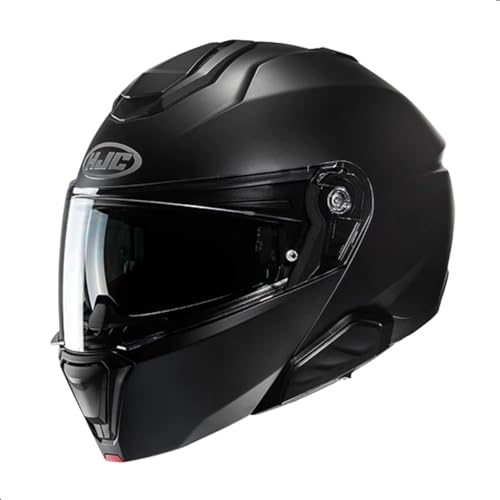
The HJC i91’s modular design is its defining feature, letting you flip the chin bar up for a quick conversation or a drink without removing the entire helmet. This versatility is paired with a 3.5-pound polycarbonate shell, which keeps the overall weight manageable for a helmet with moving parts. It’s a solid choice for riders who prioritize that easy-open convenience on their commutes or tours, and the included Pinlock-ready shield is a major plus for fighting fog in changing weather.
You do trade a bit of ultimate simplicity for that flip-up function. The mechanism, while sturdy, means this helmet isn’t the lightest in its category. For example, the TRIANGLE full-face helmet comes in nearly a pound lighter. If your rides are strictly about maximum airflow with zero fuss, a dedicated half-shell like the Yesmotor Hawk is far lighter. The i91 strikes a compelling middle ground for those who want full-face protection with occasional open-face freedom.
AGV K1 S Full Face Helmet
What We Like
- Aerodynamic shell and spoiler for high-speed stability.
- Ultra-wide 190° visor enhances peripheral visibility.
- Effective five-front, two-rear adjustable ventilation system.
- Eyewear-friendly, communication-ready, removable interior liners.
Trade-offs
- At 3.5 pounds, it is heavier than the 2.7-pound TRIANGLE helmet.
- The full-face design lacks the open-air feel of a half-shell.
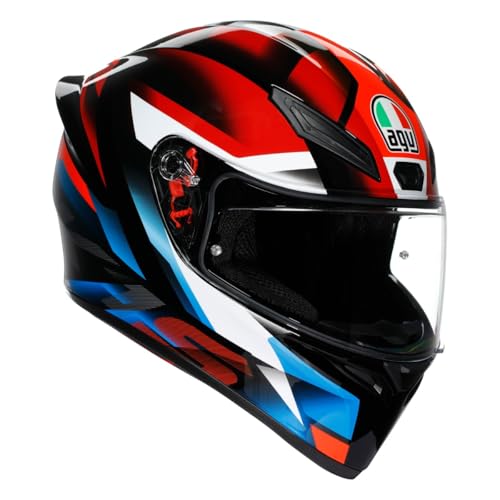
Derived from AGV’s MotoGP experience, the aerodynamic shell and integrated spoiler are engineered for stability at highway and sport riding speeds, which helps keep the helmet steady during aggressive maneuvers. Its 190° horizontal field of view provides enhanced peripheral awareness, making it easier to monitor traffic and road conditions. The Dry-Comfort interior is removable and washable, and the helmet is compatible with communication systems, supporting comfort on long rides.
That race-bred design does come with a weight trade-off. At 3.5 pounds, it’s not the lightest full-face option here, like the TRIANGLE model which is notably lighter. Riders seeking the absolute minimum weight for short trips or cruising might find that difference noticeable. However, for those valuing high-speed composure and a wide field of view, the K1 S delivers tangible performance benefits that justify its place in the lineup.
Bell Qualifier Full Face Helmet
What We Like
- IONIC+ interior fights odor-causing bacteria
- Meets both DOT and rigorous ECE22.06 standards
- Three shell sizes improve fit and profile
- Quick-drying padding manages sweat effectively
Trade-offs
- At 3.5 lb, it's heavier than the 2.7 lb TRIANGLE helmet
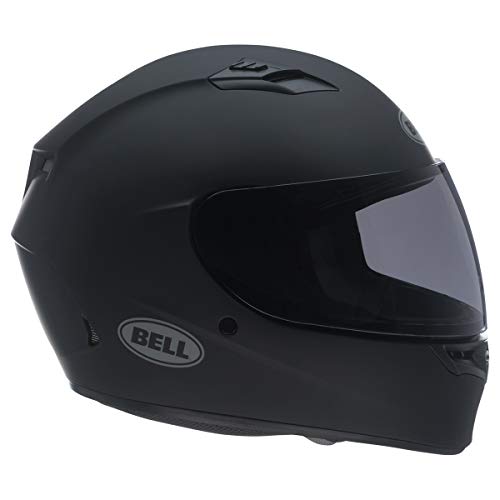
The Bell Qualifier’s IONIC+ interior padding is engineered to combat odor and manage moisture, a clear advantage for riders who spend long hours in the saddle or ride in warm climates. This feature, combined with its certification to both DOT and the newer ECE22.06 safety standards, makes it a strong, well-rounded full-face option. It’s a solid choice for the rider seeking a dependable helmet with a focus on long-term comfort and fresh interior hygiene.
Weighing 3.5 pounds, the Bell Qualifier matches the mass of several full-face helmets like the Shoei RF-SR and HJC i91, so riders should expect a solid, substantial feel. Its shell uses three sizes to cover a typical range, which often means less interior padding is needed for a proper fit. Certified to meet DOT, ECE22.06, and FMVSS 218 standards, the helmet provides a verified level of road-ready protection.
Yesmotor Half Shell Hawk Helmet
What We Like
- Extremely lightweight at 1.3 pounds
- Low-profile beanie design for a clean look
- Vintage-style aesthetic pairs with many bikes
- Removable liner for easy cleaning and comfort
Trade-offs
- Open-face design offers less facial protection than full-face models like the TRIANGLE
- Half-shell coverage leaves ears and jaw exposed to elements and impacts
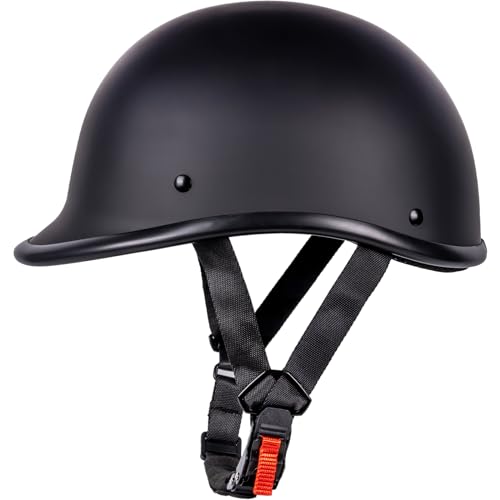
Weighing just 1.3 pounds, the Yesmotor Hawk is a helmet you can wear all day without neck strain, making it a natural fit for long, relaxed rides on a cruiser. Its low-profile beanie design avoids the bulky mushroom shape, giving riders the classic skull cap silhouette they often want. The DOT-approved ABS shell and EPS liner provide the fundamental protection required for street riding, while the vintage style works with everything from old-school choppers to modern bobbers.
The trade-off for that minimalist, lightweight feel is coverage. As a half-shell, it protects the top and back of your head but leaves your face open. For riders who prioritize full facial protection or frequently ride in cold or wet conditions, a full-face model like the GLX GX11 is a more enclosed option. The Hawk’s quick-release buckle and breathable liner are smart touches for daily convenience, solidifying its role as a dedicated helmet for warm-weather cruising where maximum airflow and a traditional look are the top priorities.
Product photos
GLX GX11 Compact Full Face Helmet
What We Like
- Compact, wind tunnel-tested aerodynamic shell design
- Adjustable ventilation with three intakes and four exhausts
- Quick-change shield system for easy visor replacement
- Multi-Density EPS liner for layered impact protection
Trade-offs
- At 3.1 pounds, it is heavier than the 2.7-pound TRIANGLE helmet.
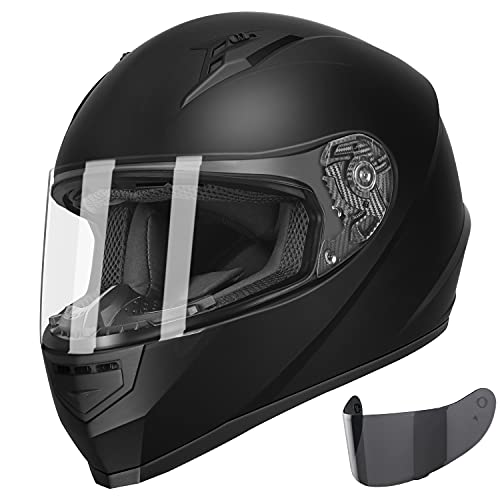
Weighing 3.1 pounds and built with a wind tunnel-tested shell, the GLX GX11 delivers a stable, quiet ride at speed, which is the core of its compact aerodynamic promise. This helmet suits riders who prioritize a snug, streamlined fit that cuts through the wind without buffeting. Its Multi-Density EPS liner and shell molding technology provide critical layered protection, while the fully removable interior allows for easy cleaning and a personalized fit over long hauls.
Weighing 3.1 pounds, the GLX GX11 feels solid on the head, a trade-off for its protective construction that places it above lighter options. For instance, the TRIANGLE model weighs just 2.7 pounds. Its wind tunnel-tested design includes three adjustable intakes and four exhausts, giving riders direct control over airflow for a quieter ride. Compared to bulkier premium helmets such as the Shoei RF-SR, the GX11’s smaller dimensions make it easier to store and contribute to a streamlined look.
Product photos
Arai HELMET 0101-17547 Lightweight Motorcycle Helmet
What We Like
- Shell designed to glance off impact forces.
- Multi-density EPS liner absorbs and spreads energy.
- Variable Axis System aids on-and-off wear.
- Comprehensive venting system for airflow management.
Trade-offs
- At 4.7 pounds, it is heavier than the 2.7-pound TRIANGLE model.
- Weighs 4.7 pounds
DOT and FMVSS 218 certification means this helmet meets U.S. road-legal safety standards, a key requirement for street riders. Its PB-cLc1 shell is designed to glance off impact forces, working with a multi-density EPS liner to absorb energy. This design, along with the Variable Axis System, creates a protective shape that also makes the helmet easier to put on and take off.
Weighing 4.7 pounds, this helmet is lighter than some full-face models like the 3.5-pound Shoei RF-SR, but heavier than others. The TRIANGLE model, for example, is notably lighter at 2.7 pounds. The design includes dual intake vents, brow vents, a three-way chin vent, and five exhaust vents for airflow. Its plush interior and lighter-weight construction aim to provide comfort for longer rides.
TRUSTERTHEE Retro Half Shell Helmet

What We Like
- DOT-certified safety for legal road use
- Lightweight build reduces neck strain on long rides
- Breathable design prevents heat and sweat buildup
Trade-offs
- Half-shell design offers less facial protection than a full-face helmet
- At 2.3 pounds, it is heavier than the 1.3-pound Yesmotor half-shell model
- Open-face style leaves the chin and jaw fully exposed to impacts
DOT certification means this helmet meets the basic safety requirement for street use, a key legal checkpoint for riders. At 2.3 pounds, it feels noticeably light on your head, which reduces strain during long, casual rides. The retro half-shell shape delivers the classic open-air look, and the included fashion mask is designed for breathability while keeping out dust and debris.
The trade-off for that breezy, vintage style is significant. As a half-shell, it lacks the chin bar and extended jaw protection of a full-face model like the TRIANGLE, leaving a larger portion of your face vulnerable in a crash. While its breathable construction works well, the helmet’s 2.3-pound weight, though reasonable, isn’t the absolute lightest in the category. For riders who split time between city streets and higher-speed highways, the more enclosed protection of a full-face or modular helmet is often the wiser choice for managing wind noise and impact risks.
Product photos
How We Evaluated Lightweight Motorcycle Helmets
Our evaluation focused on specifications from manufacturers and documented safety certifications to understand each helmet’s protective capabilities and build. We prioritized weight, safety standards, ventilation, and interior comfort, as these factors directly impact fatigue and protection on long rides. While we analyzed owner feedback for patterns on fit and noise, this is a research-led guide. The final fit and comfort for you depend on trying a helmet on in person, as head shapes vary widely. For a deeper dive, read our article on the impact of motorcycle helmet weight.
What To Look For In Lightweight Motorcycle Helmets
Choosing a lightweight helmet involves balancing reduced mass with essential protective features and ride comfort. The right helmet feels secure without causing fatigue.
Prioritize safety certifications like DOT or Snell first. Then, compare shell weights and materials, such as polycarbonate or carbon fiber. Finally, ensure adequate ventilation and a removable, washable liner for long-term comfort.
Safety Certification
The helmet’s safety certification is the most critical factor, as it verifies basic impact protection. In the U.S., a Department of Transportation (DOT) FMVSS 218 certification is the legal minimum. More rigorous standards, like Snell M2020D or ECE 22.06, involve stricter independent testing. A lighter helmet should never compromise on a verifiable safety rating; it’s the foundation of any purchase.
Shell Weight and Material
A helmet’s weight is determined by its outer shell material and construction. Polycarbonate shells offer a good balance of affordability and light weight, often found in helmets around 3 pounds. For the lightest options, consider carbon fiber helmets, which use advanced composites to shave ounces while maintaining strength. Remember, a lighter helmet reduces muscle strain, making it a key factor for touring or commuting.
Ventilation and Comfort Features
Effective ventilation is crucial to prevent overheating, especially in a lighter helmet that may have less material mass to absorb heat. Look for multiple adjustable intake and exhaust vents. A removable, washable interior liner is essential for hygiene and long-term comfort, as it allows you to manage sweat and odors. For riders in warm climates, exploring the best helmets for hot weather riding can be helpful.
- Check the number and adjustability of front and rear vents.
- Ensure the cheek pads and crown liner are removable for cleaning.
-
Verify the visor system is secure and provides a clear, wide field of view. Consider if the helmet is designed for long-distance riding if you tour frequently.
-
Look for a design that accommodates eyewear if you wear glasses.
A well-ventilated, cleanable helmet will stay comfortable season after season.
Lightweight Motorcycle Helmets Compared
Use the table below to quickly compare the key specifications and features of our top lightweight helmet picks.
| Product | Weight | Safety Standard | Shell Material |
|---|---|---|---|
| TRIANGLE Full Face Motorcycle Helmet | 2.7 Pounds | DOT FMVSS-218 | ABS |
| ILM Full Face Motorcycle Helmet | 3.0 Pounds | FMVSS-218 and DOT | ABS |
| Shoei RF-SR Full Face Helmet | 3.5 pounds | Snell M2020D, DOT, FMVSS 218 | AIM (fiberglass & organic fibers) |
| HJC i91 Modular Motorcycle Helmet | 3.5 pounds | DOT FMVSS 218 | Advanced polycarbonate composite |
| AGV K1 S Full Face Helmet | 3.5 pounds | DOT FMVSS 218 & ECE 22.06 | N/A |
| Bell Qualifier Full Face Helmet | 3.5 pounds | DOT and ECE22.06 | N/A |
| Yesmotor Half Shell Hawk Helmet | 1.3 pounds | DOT Approved | ABS |
| GLX GX11 Compact Full Face Helmet | 3.1 pounds | DOT | N/A |
| Arai HELMET 0101-17547 Lightweight Motorcycle Helmet | 4.7 pounds | DOT and FMVSS 218 | N/A |
| TRUSTERTHEE Retro Half Shell Helmet | 2.3 pounds | DOT FMVSS NO.218 certified | ABS |
Frequently Asked Questions
What is the most lightweight motorcycle helmet?
The lightest helmet in our selection is the Yesmotor Half Shell Hawk Helmet at 1.3 pounds. However, its half-shell design offers less facial and impact protection than a full-face model. For full-face protection, the TRIANGLE helmet is notably light at 2.7 pounds.
What is the lightest and quietest motorcycle helmet?
Quietness often relates to a snug fit, quality sealing, and an aerodynamic shell that minimizes wind buffeting. Among lighter full-face options, the GLX GX11 Compact Full Face Helmet and the AGV K1 S are designed with wind-tunnel-tested aerodynamics to promote stability and reduce noise.
What is the best lightweight bike helmet?
For bicycle use, you need a helmet certified specifically for bicycle impacts (like CPSC), which are designed differently from motorcycle helmets. Motorcycle helmets are heavier and built for higher-speed impacts; they are not suitable or legal for bicycle riding.
Are lightweight motorcycle helmets safe?
Yes, provided they carry a legitimate safety certification like DOT or Snell. Lightweight helmets use advanced materials like carbon fiber or efficient polycarbonate shells to meet rigorous safety standards while reducing mass. Always verify the certification label inside the helmet.
Is a modular helmet a good lightweight option?
Modular helmets offer convenient flip-up versatility but often weigh slightly more than comparable full-face models due to their moving parts. The HJC i91 is a good lightweight modular option at 3.5 pounds, ideal for riders who value the flexibility but still want to manage weight.
The Bottom Line
The TRIANGLE Full Face Motorcycle Helmet is the best overall lightweight choice for most riders, delivering a comfortable 2.7-pound design, essential DOT protection, and a versatile dual-visor system. For shoppers on a strict budget, the ILM Full Face Helmet offers excellent value, while cruiser riders seeking minimal weight should look at the Yesmotor Half Shell. Ultimately, the right lightweight helmet is one that carries a proper safety certification and fits your head securely, making weight reduction a benefit, not a compromise.
