
What Is ATGATT in Motorcycling: Beyond the Acronym
This post contains affiliate links. As an Amazon Associate, we earn from qualifying purchases.
ATGATT stands for All The Gear, All The Time. It means wearing a full protective kit, helmet, jacket, gloves, boots, and armor, on every single ride. The philosophy isn’t about fear; it’s about the statistical reality that a large share of motorcycle crashes happen close to home at everyday speeds, and sliding across pavement at 25 mph will take skin off just as thoroughly as at 60 mph.
That gap between “just around the corner” and “badly hurt” is where ATGATT lives. It’s the habit that closes it. If you’re new, you might ask: what is ATGATT in motorcycling?
What follows is the breakdown most guides skip: the specific gear standards that matter, the real-world compromises riders actually make in heat, and the affordable path to a full kit that protects more than a single expensive piece.
Key Takeaways
- ATGATT means All The Gear, All The Time, a full kit of helmet, jacket, gloves, boots, and armor for every ride, not just long trips.
- A DOT-and-ECE certified helmet and CE-rated soft gear are the baseline for verified protection; certified budget gear beats an expensive partial kit.
- Mesh jackets and gloves are the answer to heat, holding CE armor while flowing air, not an excuse to ride in a t-shirt.
- ATGATT reduces the chance or extent of injury but does not eliminate risk completely; no gear prevents all serious injury.
What ATGATT Actually Means (Beyond the Acronym)
ATGATT is a conclusion, not a club rule. You hear it in every rider training course and see it in the gear worn by instructors and tour guides. It caught on because it’s a bright line, either you geared up or you didn’t. There’s no fuzzy middle where you talk yourself out of the jacket because the store is only two miles away.
The acronym is simple. The commitment behind what is ATGATT in motorcycling is what separates a cultural slogan from a personal safety protocol.
ATGATT is the rider’s commitment to wearing a complete set of protective equipment, a certified helmet, abrasion-resistant jacket and pants, impact-absorbing gloves and boots, and CE-rated armor, whenever the motorcycle is in motion, regardless of trip distance, weather, or perceived risk.
The Philosophy: Crashes Don’t Schedule Themselves
The core insight behind what is ATGATT in motorcycling is uncomfortable but mechanical. You don’t get to choose your crash day. If you did, you’d wear your armor then and ride in a t-shirt the rest of the time.
But crashes happen on the ordinary rides. The familiar route to work. The short hop for groceries. The moment a car turns left in front of you a mile from your house. The sources note a large share of motorcycle crashes happen close to home and at everyday speeds. That’s precisely when skipping gear feels most logical and is most dangerous.
Speed isn’t what shreds skin. Friction is. Sliding across pavement at 25 mph will take skin off just as thoroughly as sliding at 60 mph. The gear doesn’t care how long your trip was going to be. It only cares whether it was on you when you went down.
The Essential ATGATT Kit
This is a functional checklist of what separates protected skin from asphalt, not a fashion list. Each piece has a job.
- Helmet: This is essential. Look for dual DOT and ECE certification, not just a sticker. Certified budget gear is better than an expensive partial kit. Your head doesn’t get a second chance.
- Jacket: Abrasion resistance is the primary job. Jackets must hold armor at the shoulders, elbows, and back. It must hold armor at the shoulders, elbows, and back.
- Gloves: Your hands hit the ground first. The reflex to catch yourself isn’t negotiable. Choose gloves with a snug fit that preserves lever feel, palm sliders, and knuckle protection.
- Pants: For adequate protection, pants need abrasion-resistant material and armor. You need abrasion-resistant material (like the Bull-It jeans mentioned in rider kits) and armor at the knees and hips. Roadskin Jeans are a popular armoured option.
- Boots: Ankle protection is critical. Street shoes offer none. Look for over-the-ankle boots with reinforced toe boxes, ankle cups, and a stiff sole. The Spada Striders from a commuter’s kit are an example.
- Armor: This is the impact layer inside your jacket and pants. Armor should be CE-rated. Ensure it’s fixed in place, not floating in a loose pocket that can shift in a slide.
Why ATGATT? The Numbers and Stories Behind the Habit
You can understand the logic and still wonder if it’s overkill. The conviction comes from two places: the silent statistics and the loud stories.
The statistics are about probability, not paranoia. Most rides end perfectly fine. But the risk on any single ride isn’t zero, and the consequence of being wrong is permanent. Gear is your margin for the unexpected driver, the patch of gravel, the moment of distraction.
The stories are what turn advice into habit. Spend time in any riding community and you’ll hear them. A rider on a UK forum put it bluntly: “I’ve seen enough accidents though to know that the ones who are lucky enough to be up and walking afterwards are usually those who are wearing the right gear.” Another recounted a 30 mph incident where ABS prevented a crash on a daily commute, noting “you just never know when you’ll need it.”
These are peer-reviewed field data, not scare tales. They underscore that ATGATT reduces the chance or extent of injury but does not eliminate it completely. As one forum rider stated, “no amount of safety gear or crash protection is going to prevent serious injury or death.” The gear manages the crash you have; it doesn’t guarantee the crash you avoid.
Real-World Challenges and Smart Compromises
Preaching ATGATT is easy. Living with it on a 95-degree day or a two-minute errand is hard. Pretending otherwise doesn’t help. We should take the real objections seriously.
Common mistake: Trading gear for a t-shirt in the heat. Mesh exists for this. A mesh jacket like the Revit Eclipse holds CE armor in a shell that flows air, protecting your skin while dropping your core temperature. Riding in a t-shirt trades a few degrees of comfort for your skin, mesh gets you most of the comfort without that bet.
Heat is the top legitimate complaint. The answer is specialized gear, not less gear. Mesh jackets and gloves are built specifically for this. They hold CE armor in a shell that flows air like a screen door. Perforated leather and ventilated textiles work too. The Tab Performance article frames this as informed personal judgment, suggesting on very hot days a rider may “swap out heavier gear for something lighter yet protective.” In contrast, other sources recommend mesh or perforated gear that holds CE armor rather than reducing coverage.
Cost stops many new riders. The answer is prioritization and understanding that certified budget gear is better than an expensive partial kit. Don’t buy a $700 jacket and ride in sneakers. Follow the priority order from the sources: helmet and gloves first, then jacket, boots, and armor. Build a full kit of certified, modest gear before upgrading any single piece to a premium model.
Convenience and short trips test the “All The Time” part. This is where the philosophy matters most. If you only gear up for the highway, you’re unprotected when the risk finds you on Main Street. The gear-up ritual itself has value, it signals the shift from pedestrian to rider, adjusting your mindset before you even start the engine.
| Challenge | Weak Compromise (The “Squid” Move) | Smart ATGATT Compromise |
|---|---|---|
| Extreme Heat | Riding in shorts and a t-shirt. | A mesh jacket (e.g., Revit Eclipse) and mesh gloves (e.g., Rukka Forsair) that hold CE armor. |
| High Cost | Buying one premium piece (e.g., expensive helmet) and skipping everything else. | Buying a full kit of certified budget gear in the recommended priority order. |
| Quick Errand | “It’s just around the corner” – riding in street clothes. | Keeping gear simple and accessible; accepting that the 2-minute ride has the same physical laws as the 2-hour tour. |
| Peer Pressure | Matching the minimal gear of your riding group. | Leading by example; your skin is your own. |
Navigating the Gear Landscape: Standards, Fit, and Choices
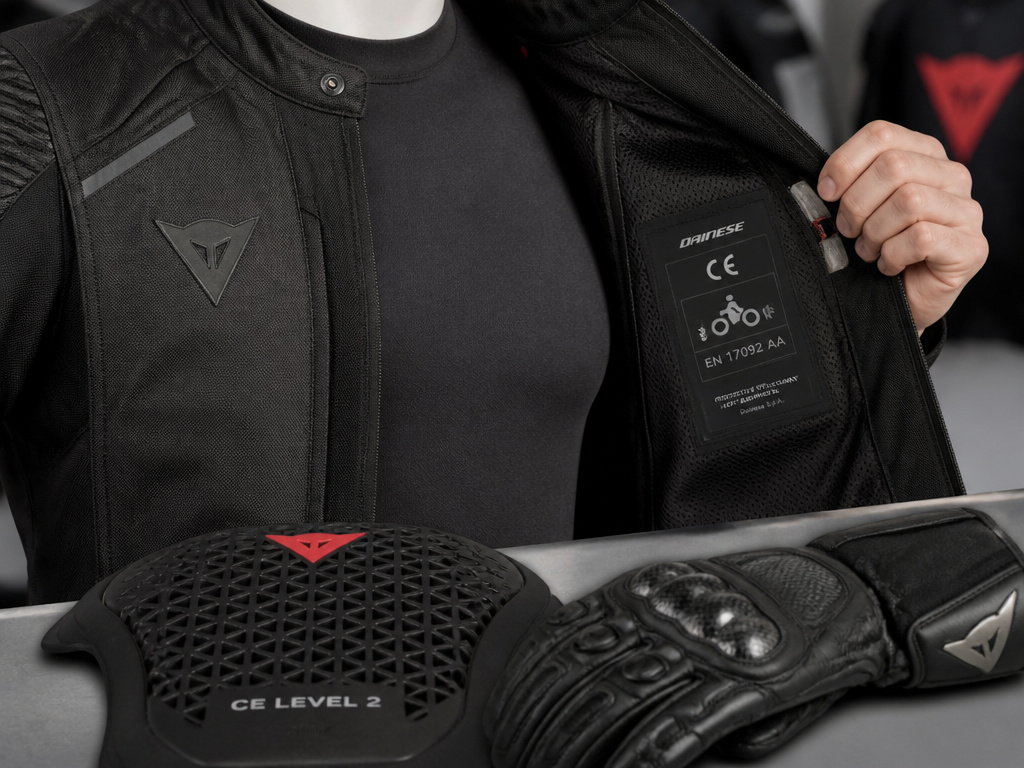
Knowing you need a jacket is one thing. Knowing how to choose one that actually works is another. This is where details matter.
Understanding Standards: Look for the labels that mean independent testing, such as DOT-and-ECE for helmets and CE for soft gear.
- Helmets: DOT is a US self-certification standard. ECE 22.06 is a stricter, globally recognized standard requiring independent lab testing. A helmet with both is a strong baseline.
- Apparel: The EN 17092 standard rates textile and leather gear from AAA (highest) to A (lowest) for abrasion resistance. This is what the AAA, AA, and A gear ratings refer to. Gear standards include CE-rated soft gear.
- Armor: CE-certified armor for shoulders, elbows, knees, and back is a must. Level 2 offers higher impact absorption than Level 1. Ensure it’s fixed in place.
Fit is critical. A loose jacket will rotate in a slide, moving armor away from your elbows and spine. A baggy glove can pull off. Gear should be snug but not restrictive, allowing full range of motion without excess material bunching. Try it on in a riding position. The importance of proper fit cannot be overstated, it’s what makes the safety features actually work for your body.
Making Choices for Your Ride:
- Commuting: Prioritize ventilation, comfort, and all-weather versatility. Textile jackets with removable liners and gauntlet gloves for full wrist coverage are ideal.
- Touring: Focus on all-day comfort, weather protection, and storage. Look for jackets with multiple ventilation options and connection zippers for pants.
- Sport Riding: Abrasion resistance is paramount. For sport riding, abrasion resistance is paramount.
ATGATT vs. The “Squid” Mentality
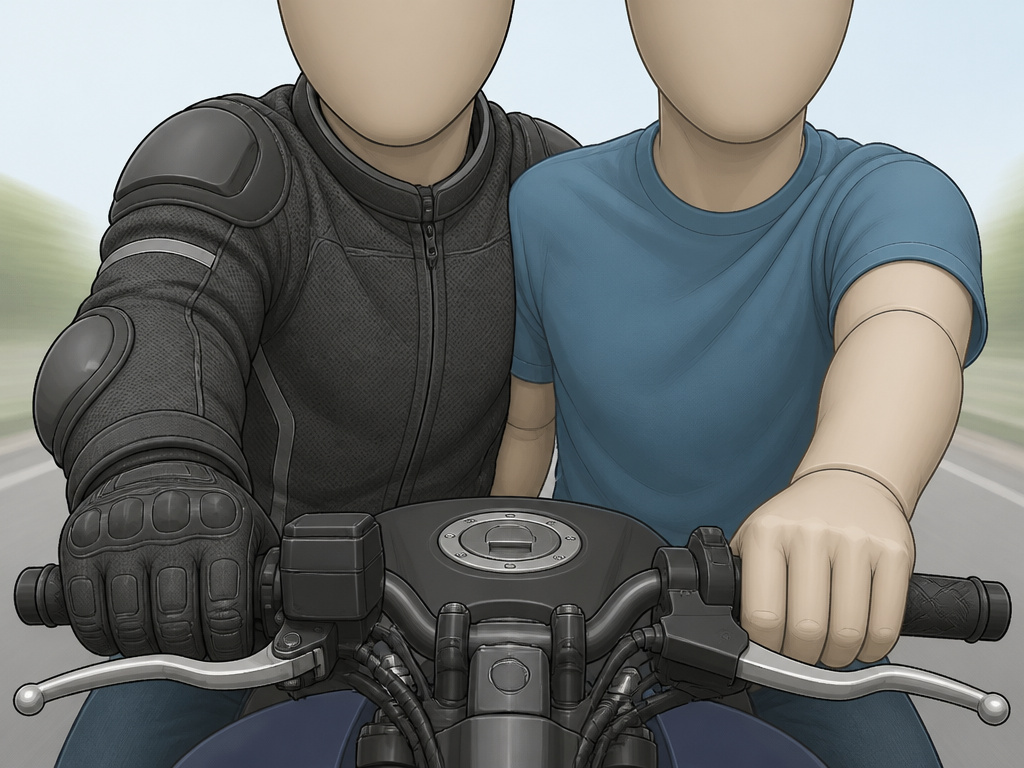
The term “squid” is often used to describe riders who prioritize style and thrill over protective gear. The contrast with ATGATT isn’t just about clothing; it’s about risk assessment.
The ATGATT rider views the motorcycle as a vehicle with inherent physical risks that are managed with equipment. The “squid” often views gear as an optional accessory that impedes comfort or image, subscribing to an “it won’t happen to me” belief. Forum observations note “a lot of people riding around with next to nothing on except a helmet” in hot weather.
This is about consequence, not judgment. The pavement is impartial. The rider in a t-shirt and the rider in a mesh jacket may have the same skill level, but they have made different bets with their skin. ATGATT is the decision to remove that particular bet from the table.
Personal Stories: When Gear Made the Difference
Riders who are lucky enough to be up and walking after accidents often credit their gear. While no amount of safety gear can prevent all serious injury, the right kit dramatically changes the outcome of a crash. Stories from riders highlight this reality. One commuter details their specific mesh jacket, gloves, and armored jeans, a full kit worn for every trip. Another rider mentions a close call at a modest speed, a reminder that sliding across pavement at lower speeds will take skin off just as thoroughly. These accounts reinforce that ATGATT is a practical choice, not just a slogan, for the rides that make up most of our time on the road.
Frequently Asked Questions
What is the ATGATT rule?
The ATGATT rule is the personal commitment to wear All The Gear, All The Time. This means a full face helmet, armored jacket, protective gloves, abrasion-resistant pants, over-the-ankle boots, and CE-rated armor on every ride, regardless of distance or conditions.
Does ATGATT guarantee I won’t get hurt?
No. As noted in rider forums, ATGATT reduces the chance or extent of injury but does not eliminate it completely. No gear can prevent all serious injury or death. Its purpose is to manage the forces of a crash, not to make you invincible.
What if I can’t afford all the gear at once?
Follow the priority order cited in the sources: helmet and gloves first, then jacket, boots, and armor. Certified budget gear that provides full coverage is a smarter and safer choice than a single expensive piece worn with street clothes.
How do I handle extremely hot weather?
Use gear designed for heat, don’t skip it. Mesh jackets and gloves that hold CE armor, like the Revit Eclipse and Rukka Forsair models riders use, provide protection while maximizing airflow. Perforated leather is another effective option.
Is ATGATT necessary for a short trip to the store?
The philosophy of ATGATT argues it is, precisely because a large share of crashes happen on short, familiar trips. The physical risk doesn’t diminish because the trip is short. If the inconvenience of gearing up feels too high, it may indicate your daily gear is too complex or uncomfortable, simplify it.
The Bottom Line
ATGATT is a decision you make once, then execute every time you swing a leg over the bike. It’s the habit that replaces the gamble.
The one rule most guides skip: if your gear doesn’t fit right, it’s not ATGATT, it’s just clothes. A snug, mid-priced jacket with fixed armor protects better than a loose, premium one. Fit first, features second.
Start with your hands and head. Get a DOT-and-ECE helmet and a pair of well-fitting gloves. Then build out the rest with certified gear, using mesh or perforated options to solve the heat problem. This is about being ready for the crash you didn’t see coming, whether that’s on a cross-country tour or a mile from your driveway, not just dressing for the one you expect.
